
Let the trip decide the contents
A changing bag works best when it answers the needs of a particular journey. The same packing list will not suit a short local walk, an appointment and an afternoon away from home. Start with duration, facilities and how you will travel. Then identify the care tasks you might need to manage, using the products and instructions already familiar to your family.
Separate essential supplies from items you carry only because a checklist mentioned them. Extra objects create weight and make important things harder to find. That does not mean packing as little as possible in every circumstance. It means knowing why each item is there and where it will be used, rather than treating a full bag as proof that nothing can go wrong.
Put changing supplies together
Keep the items needed for a change in one accessible section. Think through where used items will go and how clean supplies will remain separate. Choose storage appropriate to the actual products and follow their instructions. Use cleaning products only as directed, and choose a suitable surface rather than relying on a wipe to make any public surface appropriate.
Plan access without stepping away from the child or placing them somewhere unsafe while searching. A bag with many compartments is not automatically easier; a simple pouch may work better if its contents are clear. Test the arrangement at home. If opening it requires emptying everything onto the floor, reorganise it before relying on that system in a busy or cramped place.
Pack feeding items with context
Feeding supplies depend on the child and the method you use. Follow relevant professional and manufacturer guidance rather than copying preparation quantities or storage times from another family's list. Follow the specific formula-preparation and storage instructions and relevant professional guidance for the feed and conditions involved. Check the authoritative instructions for the particular task and conditions.
For a child eating solids, include what helps organise a safe seated and supervised meal. Food should not become a way to keep a child occupied while walking or travelling in a stroller. Consider whether the destination offers a suitable place to stop. If not, adjust the timing or location rather than assuming that a convenient container solves the question of where eating can happen safely.
Plan clothing and comfort realistically
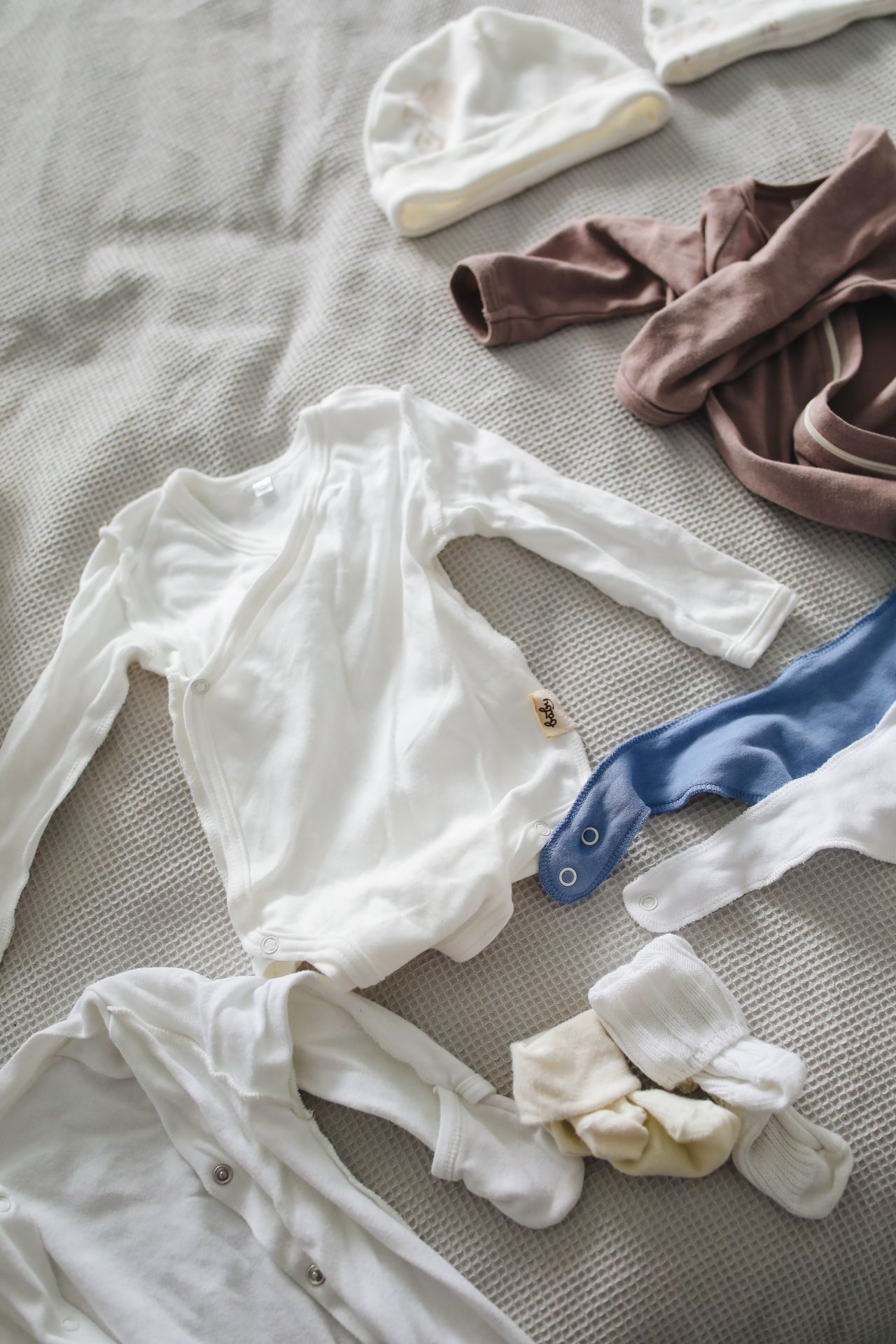
A spare set of clothing may be useful, but the choice should reflect the child, weather and journey. Do not pack layers according to an unverified universal temperature formula. Check conditions and use appropriate guidance for the child. Keep sleep arrangements separate from convenience: a soft item that is handy for an adult is not automatically appropriate inside an infant sleep space.
Place small accessories where they cannot become loose hazards. A toy or clip still needs suitable instructions and supervision. Do not add equipment simply because it attaches to a bag or stroller. Check whether attachments are approved and whether they affect handling. Packing should preserve the equipment's intended use, not produce an improvised collection of hanging objects around the child or the person pushing.
Make the bag usable for another carer
If someone else will carry it, show them the sections and explain any relevant care instructions. Do not assume an unfamiliar product's use is obvious. Share only the personal information needed for the handover and keep sensitive documents protected. A bag can support communication, but it does not replace agreement about who is responsible for care, contact and making decisions during the trip.
Consider your own needs too: access to keys, phone and any supplies you personally require. Avoid storing secrets or complete medical records in an open outer pocket. You do not need a large emergency dossier for every short walk, but another responsible carer should know how to reach you and where to find the relevant verified contacts if a problem arises.
Reset according to what happened
After returning, remove used items and replenish what actually ran low. Notice whether you carried something that never had a clear purpose. You can change the arrangement without purchasing a different bag. The point is an accessible, maintained set of supplies, not a perfect product that promises to organise family life on its own or make every outing predictable.
Before the next trip, check its particular requirements rather than assuming yesterday's contents are still complete. A useful bag evolves with the child's needs and your route. Keep the system simple enough to maintain when you are tired. Knowing where essentials are, following the relevant care instructions and having a practical place to stop are more valuable than carrying every accessory a retailer calls indispensable.


