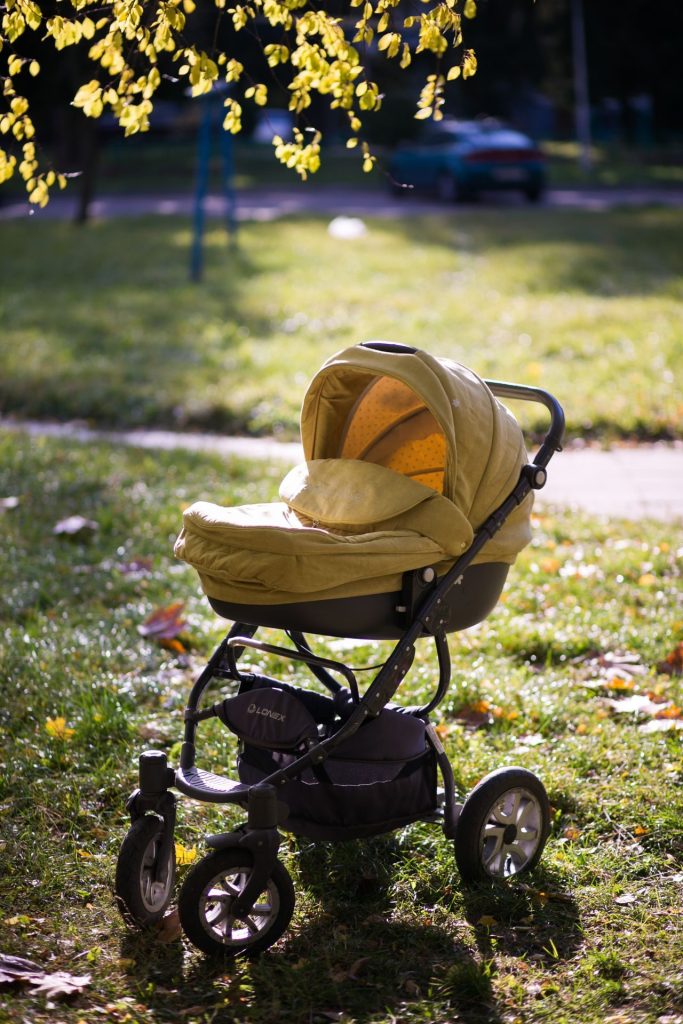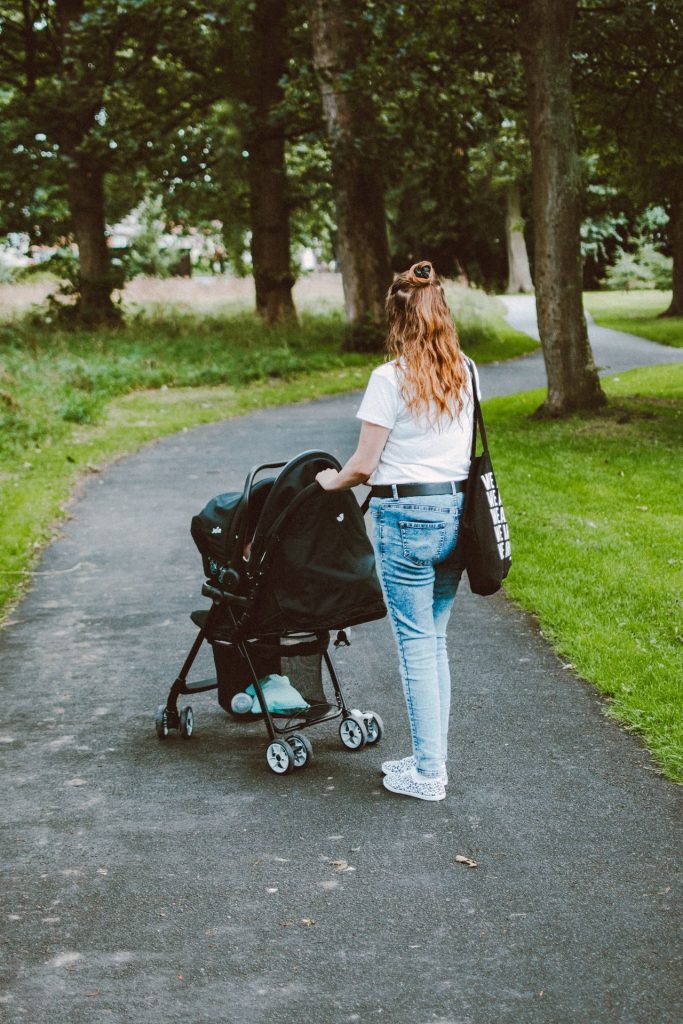
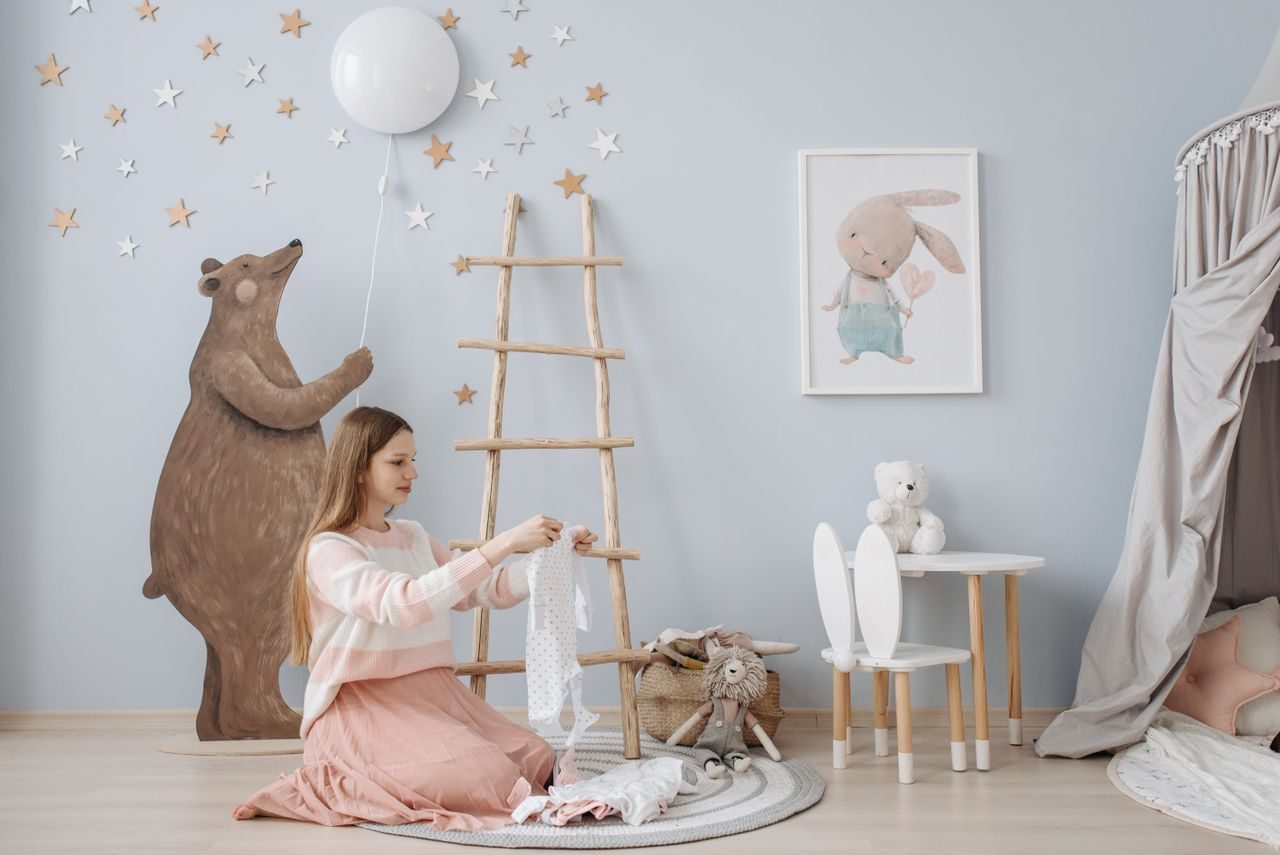
Plan the outing before reaching for a cover
Rain changes surfaces, visibility and the places where you can pause. Before leaving, ask whether the route is still practical and whether there is a straightforward way home. A weather accessory cannot fix a flooded path or inaccessible entrance. You can choose a shorter outing, another destination or a different time without treating the change as a failure to maintain the day's routine.
Check current conditions rather than relying on a general seasonal packing list. Think about the adult's footing and ability to control the equipment as well as the child. If handling would require an improvised carrying arrangement or a route you cannot use safely, adjust the plan. The purpose is a manageable journey, not proof that the stroller can continue through any weather with enough extra equipment attached.
Use instructions for the exact accessory
Look for the manufacturer's directions about fitting, intended compatibility and use. A rain cover that appears to fit is not necessarily approved for the model. Do not assume every opening, fastening or fold serves the same purpose across products. If instructions are unclear, ask the manufacturer or retailer before relying on the accessory. A product description should explain more than the promise that the child will stay dry.
Do not improvise a sealed enclosure or cover the pram with a blanket as a substitute. Preserve ventilation and visibility and check on the child regularly. A cover does not remove supervision or guarantee protection from overheating. Keep these practical boundaries separate from advertising language: a waterproof claim concerns the material or design as specified, not a promise that the whole arrangement is safe in every weather and use.
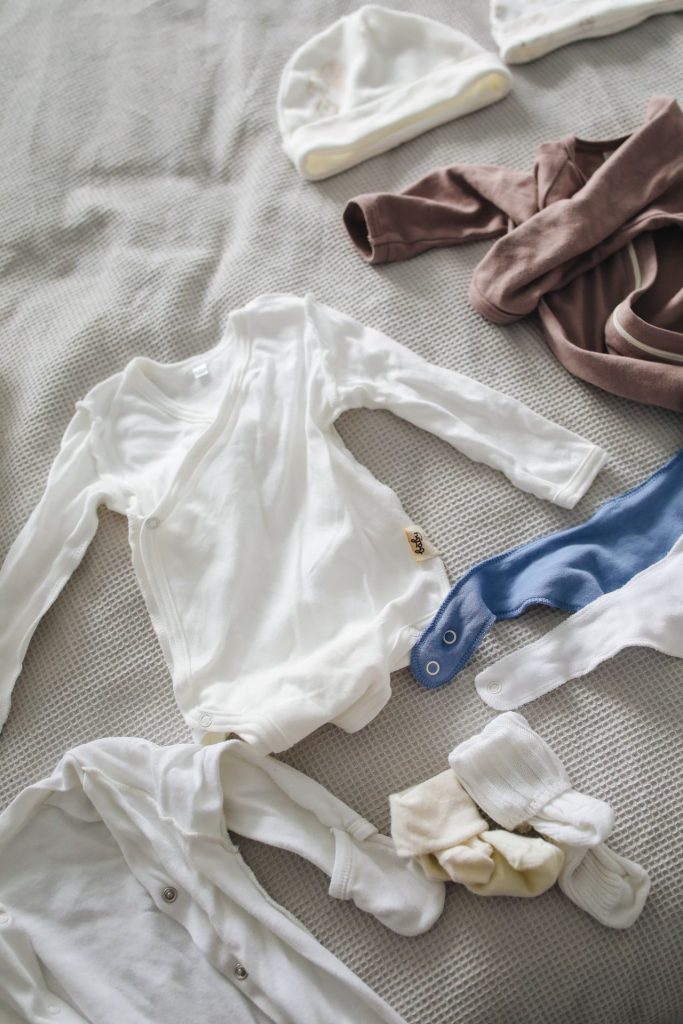
Keep visibility and access in mind
You need to see and reach the child and use the stroller's controls as intended. Check whether the fitted accessory affects access to the harness, brakes or handle. Do not put off resolving an awkward fit until you are outside with limited space. A brief check before leaving is more useful than learning under pressure that the cover needs a fastening or adjustment you cannot safely make while managing the child.
Avoid hanging extra bags and wet clothing wherever there is a convenient point. Follow storage and loading instructions. The combined setup matters: accessories and supplies may make equipment harder to manoeuvre even when each item seems small. If you cannot use the stroller comfortably and according to its directions, simplify the load or the journey instead of adding another accessory to compensate for the last one.
Plan a suitable place to stop
Choose pauses around actual facilities and the child's needs. A sheltered doorway is not automatically a suitable feeding or changing space. For children eating solids, stop for a safe seated and supervised mealtime; travelling in a moving stroller should not become snack time because rain makes it inconvenient to pause. If the route provides no practical stop, change the timing or destination rather than relying on food to complete the journey.
Indoor transitions need attention too. The setup that was appropriate outside may need changing when you enter a building or vehicle. Follow relevant care guidance and the product's instructions, and continue checking the child rather than assuming the weather accessory can stay in place unchanged. Clothing choices depend on the child, conditions and relevant safety guidance; a fixed number of layers cannot account for every situation.
Give wet equipment a practical return plan
Before leaving, consider where the stroller and accessory will go when you get back. Check care and drying instructions instead of closing everything away immediately for the sake of a clear hallway. Keep shared routes accessible while organising a suitable place. Do not use an improvised heat source or cleaning mixture to speed up drying; the exact materials and product directions matter more than an online shortcut.
If something no longer works as intended, do not treat the problem as cosmetic simply because the child remained dry. Record the model and the issue and ask the manufacturer or appropriate retailer for guidance. Avoid unsupported repairs to safety-related components. A waterproof product's condition, fastening and compatibility remain relevant after a wet trip, and a neat appearance does not prove that every part still functions correctly.
Let changing plans stay ordinary
Afterwards, note one useful change: a better sheltered route, fewer items or clearer instructions. You do not need to compare your outing with photographs of families who appear unbothered by rain. Their conditions and equipment may differ, and a photograph says little about the journey. Your plan should fit the actual people, route and care needs involved, not an expectation that every day must include the same distance.
A thoughtful rainy-day plan combines workable access, suitable equipment and permission to return. It does not depend on sealing the child away from the weather or promising that an accessory removes every risk. When instructions, supervision and the route are considered together, it becomes easier to distinguish a useful product from a complicated arrangement that would be better replaced by a simpler outing or another plan entirely.
Further reading: NHS: infant sleep and overheating precautions.