
Setting up a feeding area starts with deciding where the main activity will take place each day. The spot needs enough space for the adult to stay close while reaching what is required without leaving the child unattended. For infants under six months this often means a stable surface near the bottle preparation area. For toddlers who sit in a highchair or booster the location should allow quick access to wipes and spare clothing without turning away for long periods.
Once the room is chosen, the next step is to place the seating so the adult can see the child’s face and hands at all times. This reduces the chance of small objects or food pieces being put into the mouth unnoticed. The adult chair should face the child directly rather than at an angle that requires twisting. A small side table within arm’s reach can hold the bottle, bowl and spoon so nothing needs to be fetched from another room mid-feed.
Selecting seating that matches the child’s current stage
Infants who are not yet sitting unsupported need a seat that keeps them upright with support at the back and sides. The highchair or feeding seat must have a five-point harness that is fastened before any food or drink is offered. Toddlers who can sit steadily still benefit from the harness being used until they show they remain seated throughout the meal. Checking the harness adjustment each time prevents the child from sliding down or leaning too far forward.
The tray or table surface should be at a height that lets the child bring food to their mouth without straining. If the tray is removable, it is useful to have a spare clean one ready so changeover happens quickly and the child does not wait with food in front of them. Avoid placing the seat near edges or steps where an adult might need to reach across to steady it.
Keeping supplies within immediate reach
Store the items used at every feed in one container or on a low shelf next to the feeding spot. This includes bibs, cloths, a small bowl, a spoon and a cup if used. For bottle feeds keep the prepared feed, a burp cloth and a spare dummy in the same place. Having everything in one location means the adult does not need to walk away to fetch anything once the child is seated.
Label the container or shelf so other adults in the household know where to find replacements. A simple list taped inside the cupboard door can show what belongs in the container and what stays in the kitchen. This helps maintain the same setup even when different people take turns with the meal.
Planning for quick clean-up without leaving the child
Place a bin or bag for used wipes and cloths directly beside the adult chair. A damp cloth in a sealed container allows immediate wiping of hands and face once the meal ends. If solids are involved, a floor mat under the seat catches most drops so sweeping can wait until after the child is out of the seat.
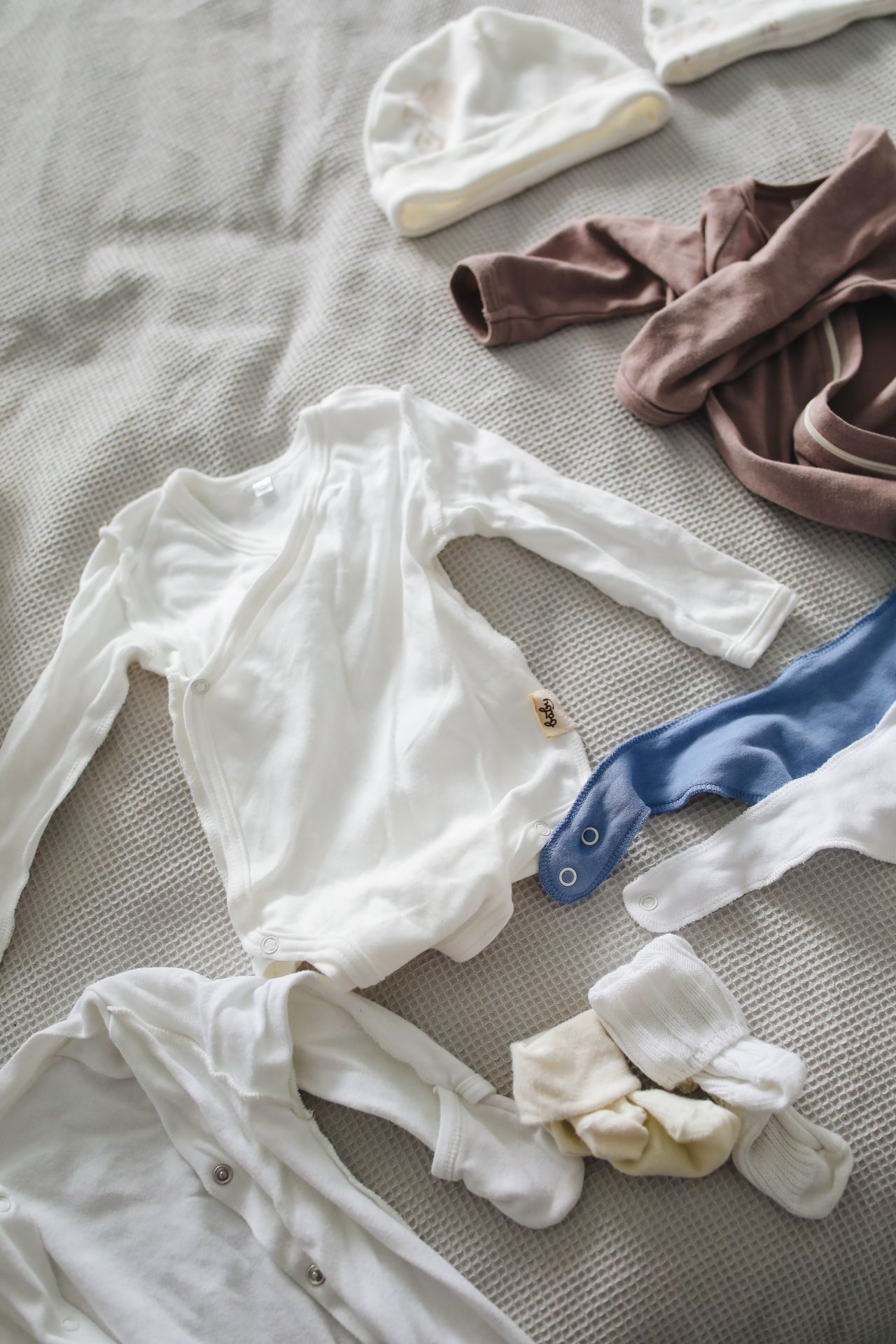
Keep a change of top and trousers in the same container. Food stains happen quickly and having fresh clothing ready avoids carrying the child through the house while still messy. The change can happen at the feeding spot before moving to the next activity.
Defining what counts as close supervision
Supervision means the adult remains in the same room, facing the child and able to reach them within a second or two. This includes times when the child is chewing or drinking. Phone calls or other tasks are set aside until the meal finishes. If another adult enters the room, one person stays responsible for watching the child while the other handles any handover of items.
For very young infants the same rule applies during bottle feeding. The adult holds the bottle and stays attentive rather than propping it or looking at a screen. The feed ends when the infant shows signs of being full or when the bottle is empty, whichever comes first.
Reviewing the arrangement after a few days
After using the setup for several meals, note which items are actually reached for and which stay unused. Move rarely used objects out of the immediate container so the essentials remain easy to find. Check that the seating still fits the child’s size and that straps remain secure after repeated washing.
If the household routine changes, such as a new work schedule, adjust the location or the container contents rather than trying to keep an arrangement that no longer matches daily life. The goal is a repeatable pattern that supports steady attention to the child during feeding times.
Passing the arrangement to another caregiver
When someone else will handle a feed, show them the container and the seating position before leaving. Point out where the spare clothing and cloths are kept and confirm that the harness must be fastened each time. A short written note listing the steps can help when the handover happens quickly.
The same note can include the order in which items are offered so the routine stays consistent. This reduces the chance that the child waits while the adult searches for the next item.
Once the feeding area is arranged this way it becomes part of the daily flow rather than an extra task. The focus stays on staying close and ready throughout the meal.
