Many households use the same room for sleeping, dressing and storage, so the sleep surface must stay distinct from everyday items. A firm, flat mattress in its own cot or bassinet remains the core requirement for infants under one year, placed in the same room as a caregiver. As children grow toward the toddler stage, the same principle continues: the sleep space needs regular clearing so that toys, clothing or household objects do not migrate onto it.
Long-term organisation begins with deciding which items truly belong near the sleep area and which can be stored elsewhere. This reduces the chance that a blanket or cushion ends up on the mattress during a busy evening. The following sections outline checks and adjustments that fit ordinary household rhythms without promising any particular sleep outcome.
Defining the sleep surface boundary each week
Walk around the cot or bassinet once a week and remove anything that has been placed on or against the sides. This includes spare clothes, towels or bags that accumulate during the day. A simple visual scan takes less than a minute yet prevents gradual encroachment.
Mark the floor space around the cot with a small piece of tape if the room layout changes often. The tape serves as a reminder that nothing should cross that line during tidying. When the child reaches the stage of pulling to stand, raise the tape line or move the cot slightly so that reachable shelves stay out of arm’s reach from the mattress.
Storing sleep-related items away from the mattress
Keep spare sheets, swaddles and sleepwear in a separate drawer or box that is not attached to the cot. This avoids the temptation to leave folded items on the mattress edge. A labelled container on a nearby shelf or in another room works for most families.

Review the container every two months. Discard or relocate items the child has outgrown so the box does not overflow and spill onto the floor near the cot. Clear floor space around the sleep area makes it easier to maintain the rule that only the mattress and a fitted sheet occupy that spot.
Adjusting layout when mobility increases
Once a child can roll or sit, the cot position may need shifting to keep the sleep surface away from curtains, radiators or low furniture. Move the cot before the child begins exploring, rather than after an item has already landed on the mattress.
For toddlers who have moved to a cot bed, continue to check that no extra bedding or toys remain on the mattress at the start of the night. The same firm, flat surface rule applies until the child is old enough for a standard bed. Regular furniture rearrangement keeps the sleep zone functional rather than decorative.
Coordinating with other adults who use the room
Agree on one shared rule: the sleep surface stays empty except for the baby and a fitted sheet. Write the rule on a small card kept near the changing supplies so everyone who enters the room sees it. Short, repeated reminders reduce the chance that a visitor places a coat or bag on the cot.
When responsibility for evening tidying rotates between caregivers, note the date of the last surface check on a calendar or phone reminder. This creates a simple record without requiring detailed logs. Consistency matters more than elaborate systems.

Seasonal clothing rotation without adding layers to the cot
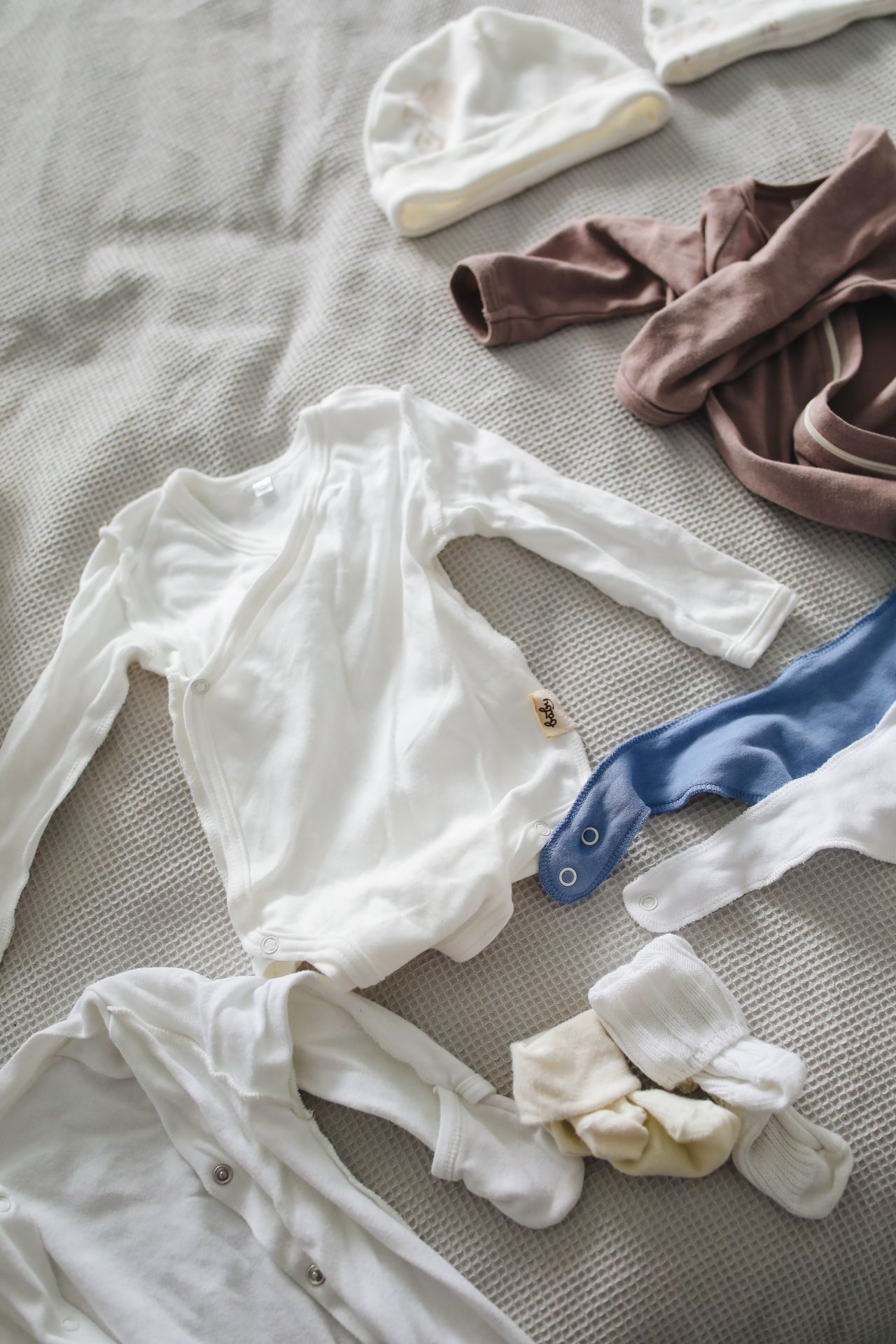
Store out-of-season sleepwear in a separate wardrobe or under-bed box. Bring only the current season’s items into the room and place them in the designated drawer rather than on the cot itself. This prevents extra blankets or thicker clothing from being left within reach.
Check the mattress and its cover for wear at the change of seasons. Replace the cover if it shows thinning or tears, following the manufacturer’s instructions for the exact model. Keeping the surface in good condition supports the ongoing requirement for a firm base.
Documenting equipment age and condition
Note the purchase date or the date an item entered the household on a label attached to the cot frame or stored in a household file. After two years, inspect the mattress for sagging or permanent indentations. If either appears, arrange replacement rather than continuing with the worn item.
Keep the original instruction leaflet with other baby-care documents. When questions arise about a particular model, the leaflet provides the precise guidance supplied by the maker. This record-keeping takes little space yet prevents reliance on memory alone.
Preparing the space for short absences from the room
Before leaving the room for an extended period, confirm that the mattress remains clear and the surrounding floor free of small objects. A quick visual check at the door serves as a final step. The same check applies on return so that any items moved during the day are relocated before the next sleep period.
These repeated small actions maintain the separation between the sleep surface and the rest of the room without requiring special equipment or major redesign. Over the first three years the physical layout may change, yet the core requirement of a clear, firm, flat surface stays constant.