Household items often move around during ordinary cleaning, laundry and tidying tasks. When these objects end up near or on an infant sleep surface they can create hazards that current safer-sleep guidance aims to avoid. A firm, flat, separate sleep space remains the recommended arrangement for babies from birth through the early years. Caregivers can reduce the chance of stray objects reaching this space by noticing the usual paths items take through the home and adjusting storage habits accordingly.
The goal is organisation rather than any promise about how long a baby will sleep. Clear surfaces support the basic safer-sleep rules that apply from the newborn period until a child is around three years old. Small changes in daily movement of objects make it easier to keep the sleep area free of anything that does not belong there.
Identifying items that commonly migrate
Clothing, towels, toys and paperwork tend to travel between rooms during daily use. In homes where laundry baskets or storage bins sit near sleep zones, items can shift without notice. Reviewing these movement patterns once a week shows where the risk of transfer is highest. A useful first step is to list the five or six objects that appear most often on or beside the sleep surface after a normal day. This list usually includes muslin squares, spare vests, folded towels and small toys that were used during a nappy change. Once the list exists, it becomes simpler to decide where each item should live instead.
Small objects such as socks or muslin squares are especially easy to overlook because they blend with bedding. Placing a designated basket for sleep-area items in another part of the room can reduce accidental placement on the surface itself. The basket works best when it is kept at adult height so that nothing falls into it from above. Caregivers who notice the same three or four items reappearing can move their usual storage spot farther from the sleep zone. This method relies on observation rather than new equipment.
Setting simple placement rules for each room
Decide in advance where non-sleep items belong and keep those locations consistent. For example, store spare bedding in a cupboard outside the sleep room rather than on a nearby chair. This reduces the chance that folded items will be left on the sleep surface during hurried tidying. The rule should state exactly which shelf or drawer each category of item occupies. Written notes on the inside of a cupboard door help everyone follow the same pattern after the first week.
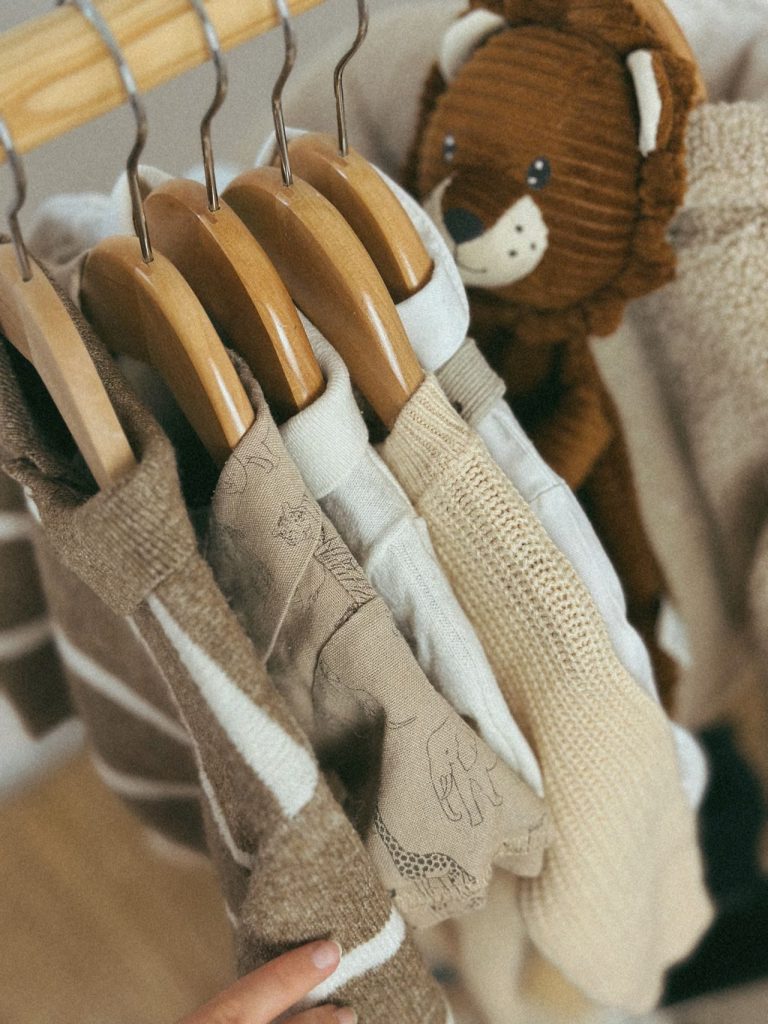
Labelled storage helps everyone in the household follow the same pattern. Clear rules work best when they fit existing routines instead of adding extra steps. A common mistake is to create too many categories at once; two or three broad groups such as “bedding”, “clothing” and “toys” are usually enough. When a new item appears, it is added to one of the existing groups rather than given its own place. This keeps the system workable over months rather than weeks.
Conducting quick surface checks at set times
Link a brief visual check to an existing daily action, such as after the evening meal or before drawing curtains. The check takes less than a minute: look for anything that does not belong on the sleep surface and remove it immediately. The timing matters because it turns the task into part of another habit rather than an extra job. Morning checks can focus on items left from night feeds, while evening checks catch toys or clothing moved during the day.
Keep a small torch or phone light handy if the room is dim. Consistent timing makes the habit easier to maintain than relying on memory alone. A practical test is to ask whether the surface would still be clear if someone walked in five minutes later; if the answer is uncertain, the check needs to be more thorough. Over time the visual scan becomes automatic and requires less deliberate effort.
Storing supplies away from the sleep surface
Keep nappies, wipes and changes of clothes in a drawer or basket that sits at least one step away from the sleep space. This arrangement prevents items from being set down on the surface while hands are occupied. The distance also makes it harder for a toddler who is beginning to stand to reach the supplies and move them onto the sleep area. Shelves at waist height work well because they keep supplies visible yet separate.
For toddlers who are beginning to walk, higher storage also reduces the chance that they will place objects on the sleep area during play. The same principle applies when moving between rooms with portable equipment. A frequent error is to place a changing mat directly on the sleep surface for convenience; the mat itself then becomes an item that must be removed again. Keeping the mat on its own low shelf avoids this extra step.
Reviewing storage after changes in household layout
When furniture is rearranged or new storage is added, repeat the migration check for a few days. New surfaces or shelves can create fresh routes for items to reach the sleep zone. The review should note any new paths that laundry baskets or toy boxes now follow past the sleep area. If a chair has moved closer, for instance, it may now serve as an unintended resting place for folded items.
Adjust placement rules promptly so the new layout does not increase the number of objects that travel into the sleep area. Short, repeated checks catch most issues before they become routine. The review can be limited to three questions: which items have appeared on the surface since the change, where did they come from, and where can they be stored instead. This focused approach prevents the review from becoming lengthy.
Sharing the same approach with other caregivers
Write the placement rules on a single card kept near the sleep space. The card lists only the locations for common items and the times for quick checks. This keeps instructions brief and consistent. The card can be updated when a new storage solution is introduced, but the basic headings stay the same so that visitors or occasional helpers can follow it without extra explanation.
Update the card only when the household layout changes. Everyone who uses the space can then follow the same steps without needing lengthy explanations. A useful addition is a short note on what to do if an unfamiliar item appears, such as returning it to the nearest adult rather than leaving it on the sleep surface. This single sentence prevents most accidental additions during busy periods.
Adjusting for toddlers who move around more
Once a child begins to crawl or walk, the sleep surface may be used less during the day but still needs to stay clear at night. Move toys and activity items to a separate play zone so they do not drift back onto the sleep surface during independent play. The play zone can be defined by a low shelf or a mat placed at the opposite end of the room from the sleep space.
Keep the surface itself free of any added padding or covers that are not part of the original sleep equipment. Regular removal of stray objects remains the same task as for younger infants. A common oversight is to leave a favourite toy within reach at bedtime because it helps settling; the toy then becomes the first item that must be cleared the next morning. Storing the toy in the play zone from the start avoids this daily removal.
These steps focus on keeping the sleep surface clear through ordinary household habits. They support safer-sleep guidance without promising particular sleep outcomes. Regular attention to where items are placed and moved reduces the number of objects that reach the sleep area over time.