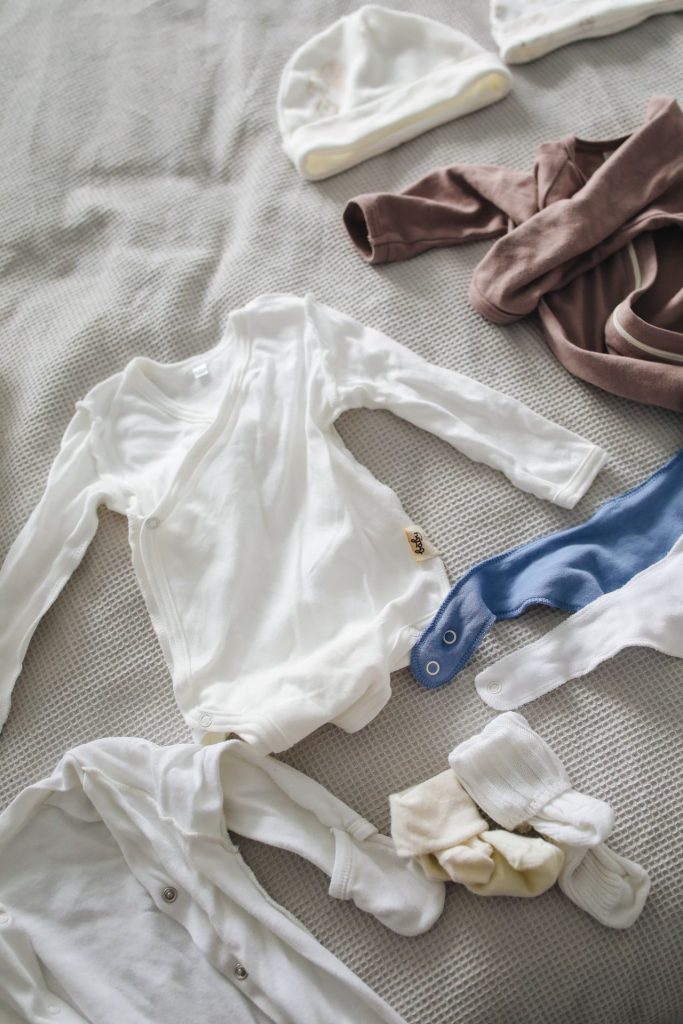
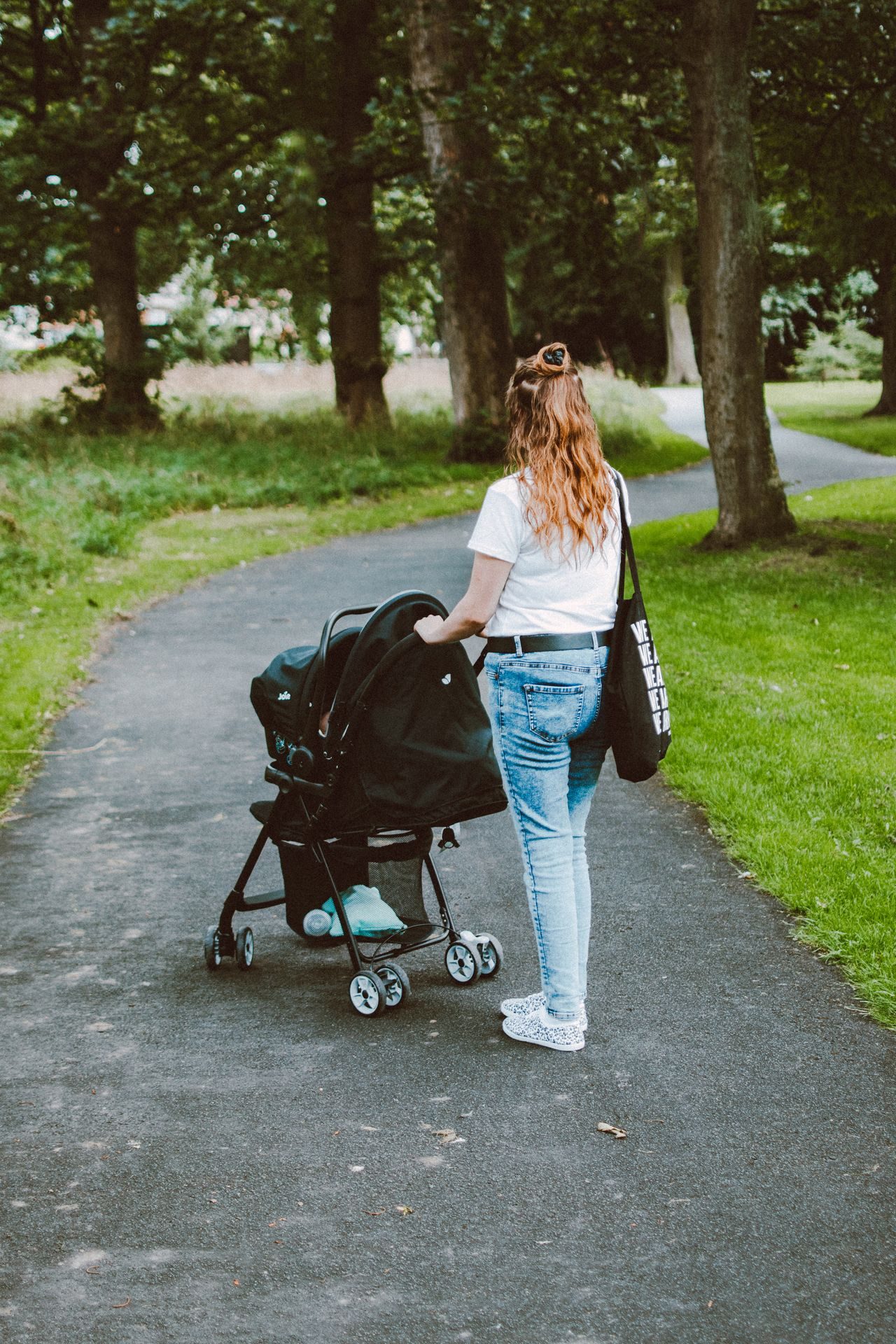
Parents often find that mealtime preparation in a multi-use room quickly becomes cluttered when supplies are scattered across different surfaces. A clear plan for where utensils, bowls and wipes sit helps keep attention on the child rather than on locating items mid-feed. This approach supports continuous adult presence without requiring extra products or complex systems.
Boundaries around supervision mean an adult stays within reach and line of sight throughout the meal. The layout of surfaces and supplies can either support that presence or create unnecessary movement away from the child. Reviewing the placement of everyday items before seating the child reduces the likelihood of interruptions that pull focus elsewhere during feeding.
Assessing the Primary Feeding Location
Begin by examining the table, tray or surface designated for the meal and remove any unrelated household objects beforehand. This step ensures the area remains dedicated to feeding only, which limits visual distractions and allows the adult to remain seated or standing close without reaching across the child. For infants under one year who require more physical support during feeds, the surface height should permit easy access to the child’s mouth level while the adult maintains a stable posture. Toddlers who are beginning to self-feed benefit from the same cleared space because it prevents small items from rolling away and prompting the adult to stand up repeatedly.
Common errors include leaving mail, phones or other daily objects on the same surface, which then compete for attention during the meal. Judgment criteria for an effective location involve checking that the surface is stable, at a consistent height and free of edges that could catch clothing or utensils. Applicable conditions cover both fixed dining tables and portable highchair trays, provided the adult first confirms the child cannot reach beyond the immediate feeding zone. When the surface serves multiple household purposes, a quick wipe-down before placing any feeding items further reduces residue that might later require the adult to leave the spot.
Arranging Items According to Frequency of Use
Group the bowl, spoon and cup on the side of the adult’s dominant hand so they can be reached without standing. Position wipes and a cloth on the opposite side but still within the same arm span. Items needed only after the meal, such as spare clothing or a bib bag, stay on a separate surface outside the immediate zone. This ordering reduces the number of times the adult must turn or move during the feed, which in turn keeps supervision continuous.
A frequent mistake is placing everything in one pile directly in front of the child, which can obstruct the adult’s view or encourage the child to grab non-food items. The decision to adjust placement rests on observing whether the adult can complete a typical feed sequence while remaining seated. Conditions that favour this method include shared living spaces where the feeding spot doubles as a work surface later in the day. Regular checks after each meal reveal whether the grouping still matches the child’s current feeding style and the room’s other uses.
Adjusting Arrangements for Age and Ability Levels
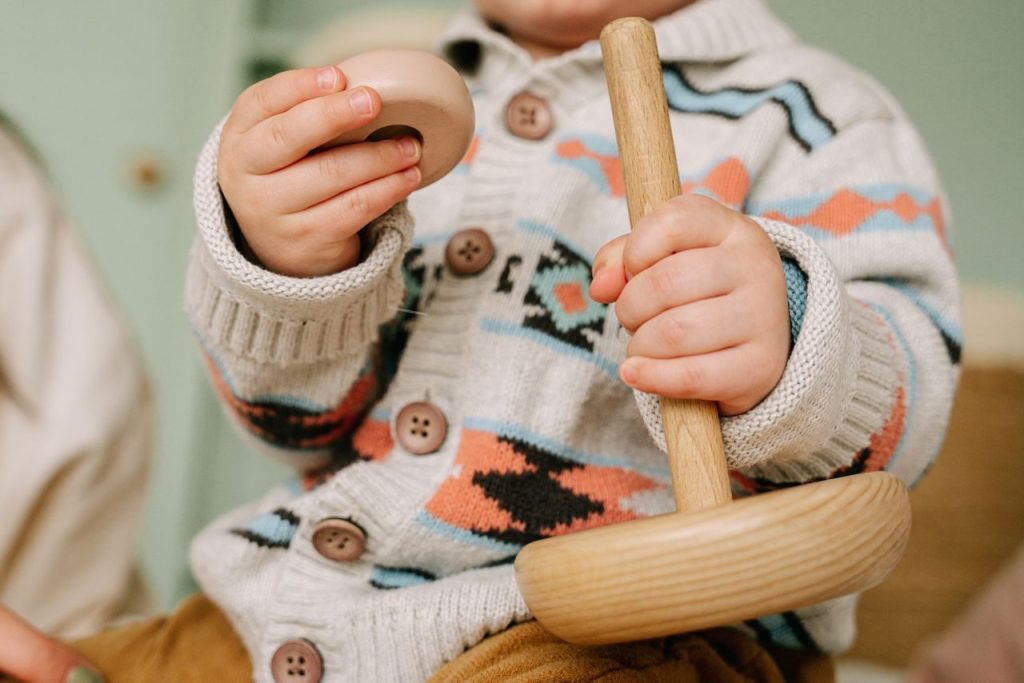
Very young infants who need the adult to hold the bottle or spoon require supplies to sit even closer so the free hand can steady the child if necessary. Once a baby can sit with support and bring hands toward the mouth, the layout can widen slightly to allow safe exploration of the bowl while the adult remains within touching distance. Toddlers who use fingers or spoons independently need extra space for their own arm movements, yet the adult’s core items must stay grouped to permit quick intervention with spills.
Errors often arise when the arrangement is not updated as the child’s reach and coordination change, leading to either cramped space or unnecessary stretching. Criteria for adjustment include watching whether the adult can respond to a dropped utensil without leaving the chair. This method applies when feeding occurs at the same surface daily; it is less suitable for one-off visits where the layout cannot be tested in advance. Observing the child’s typical movements during the first few minutes of a meal provides the information needed to refine distances without introducing new equipment.
Establishing Consistent Storage Solutions
A small tray or basket kept in a fixed spot beside the feeding chair holds the daily items and removes the need to gather supplies each time. Contents are reviewed at the end of the day and restocked only with what is actually used. This container stays in the same location so the adult can locate it by habit rather than by searching. Loose piles on worktops tend to migrate into other household activities and create extra steps during the next feed.
Judgment for an effective storage solution involves confirming that the container fits the available space and does not block walkways. The approach works best in rooms where the feeding chair remains in one position; it requires modification when the chair moves frequently between rooms. A weekly check of the basket contents prevents accumulation of items no longer needed and keeps the visual field around the feeding area simple. When the container is returned to its spot after each meal, the room can immediately return to its other functions without feeding supplies remaining visible.
Conducting a Reach Test in Real Conditions
Before bringing the child to the seat, sit in the adult position and reach for each item in the sequence it will be used. Any stretch that requires standing or leaning far indicates a need for adjustment. Repeat the check once the child is seated, because the child’s body and any attached equipment can alter available space. Small shifts of a drink cup or wipe packet often restore comfortable reach without rearranging the entire room.
A common oversight is performing the test only when the room is empty, which fails to account for the child’s presence or movement. The test applies whenever the feeding location changes or when new items are introduced to the routine. Conditions that make the test particularly useful include households where multiple adults share feeding duties, because each person’s reach differs slightly. Recording the final distances mentally or on a simple note helps maintain consistency across different times of day.
Restoring the Space After Feeding
Once the child leaves the seat, immediate clearing of the surface prevents crumbs or sticky residue from spreading into later activities. The basket or tray returns to its storage location so the room can serve other purposes without feeding items in the way. This reset also functions as a quick inventory: missing items are noted and replaced before the next meal rather than searched for during the next feed.
Errors include postponing the clear-up until later, which allows items to become mixed with unrelated objects. Criteria for completion involve checking that the surface is wiped, the basket is in its usual spot and no feeding utensils remain within the child’s future reach. The practice suits daily routines in shared spaces; it needs adaptation when meals occur away from the usual location. Performing the reset while the child is still nearby but occupied with another activity keeps supervision unbroken during the transition.
Maintaining the System Across Multiple Locations
When meals occur in more than one room, the same grouping principle travels with a portable caddy containing the core items. The adult still checks reach distances in the new spot before starting the feed. Consistency in the order of items helps maintain the same level of presence regardless of the room layout. A brief review of the new surface for stability and clearance precedes seating the child.
Mistakes arise when the caddy is unpacked differently each time, which reintroduces search time during the meal. The method applies when the household uses two or more regular feeding spots; it is unnecessary for single-location routines. Weekly observation of how the system performs across locations reveals whether any item needs to be duplicated or removed. Adjustments remain small and focused on preserving continuous supervision rather than adding new products or altering the child’s environment.