
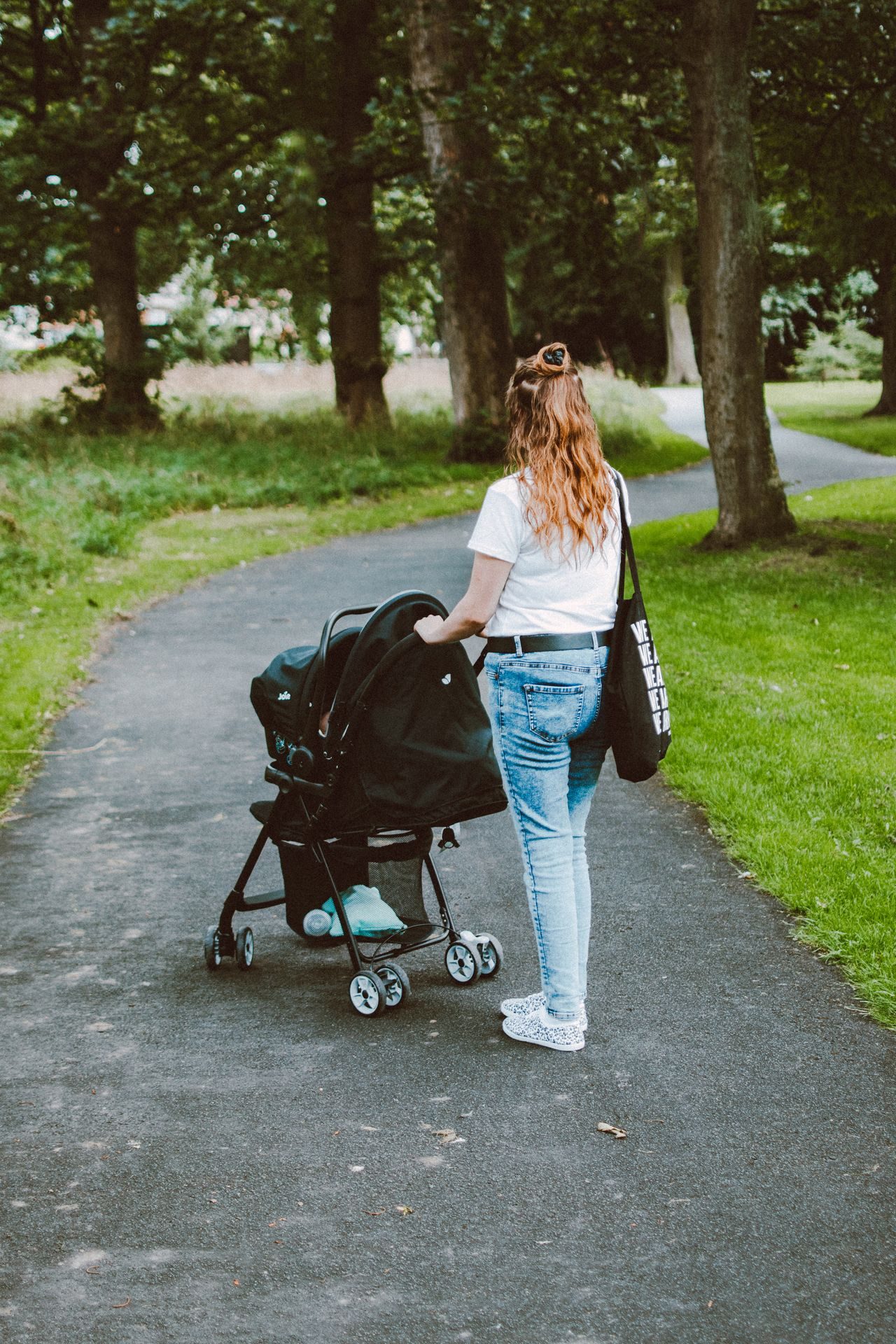
A flexible plan still has a purpose
Family outings often begin with a clear intention and meet a different day. Weather changes, transport becomes awkward or a child needs care earlier than expected. Flexibility does not mean abandoning preparation. It means preserving the purpose while changing the route or scope. If the aim was to spend time together or complete one necessary task, ask which part still matters instead of trying to protect every original detail of the itinerary.
Write a modest first plan and an easier alternative. These do not need to be elaborate. A nearby destination, a shorter visit or returning home can be enough. The alternative should be genuinely usable, not depend on equipment you did not bring or a person who has not agreed to help. Having a fallback makes it easier to recognise a practical decision rather than interpret every change as failure.
Distinguish inconvenience from a safety concern
Some changes are ordinary frustrations, such as a queue or a missed stop. Others affect safe care or equipment use. Do not treat them as equivalent merely because you want to finish the trip. If a route requires unsupported lifting, an unsuitable sleep arrangement or feeding while moving, change the plan. A convenient timetable does not override the relevant product instructions or the child's care needs.
Health concerns also deserve their own response. A baby who is unresponsive or struggling to breathe needs urgent local emergency help, not a routine adjustment or a search for reassurance in comments. If a child seems unwell and you are concerned, obtain appropriate professional advice. A travel checklist cannot determine the cause or tell you to wait until after the outing just because the next appointment is already booked.
Keep the next decision small
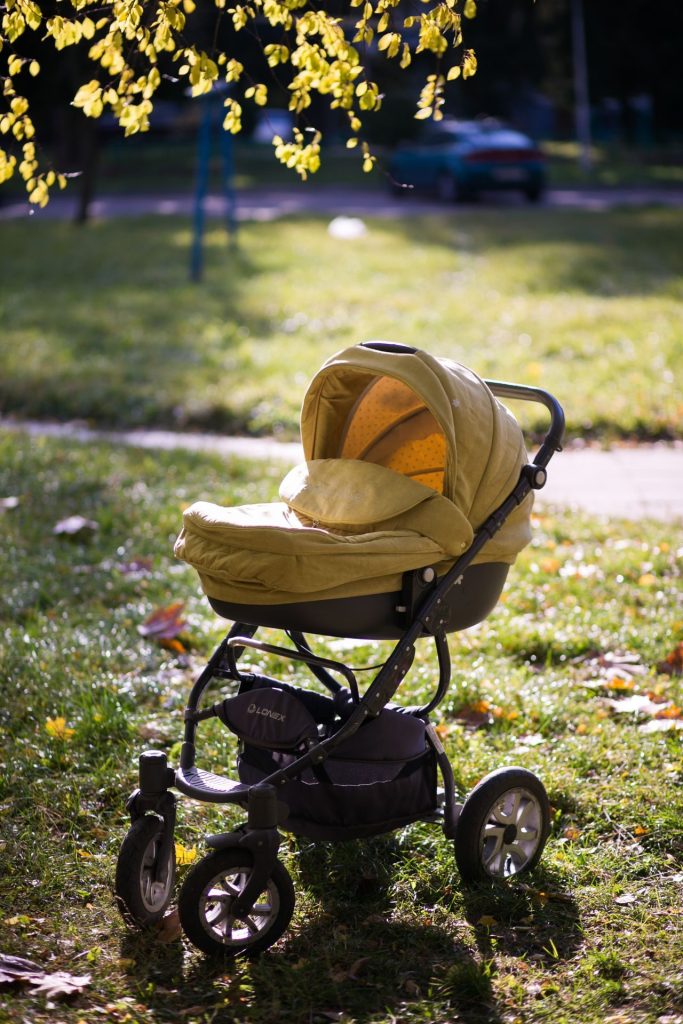
When several things change, focus on what needs deciding now. It may be where to pause, how to return or whether one task can wait. You do not need to redesign the rest of the week while standing beside a stroller. A small next step keeps the situation understandable and reduces the pressure to solve every consequence before responding to the child's immediate needs and your own practical limits.
If travelling with another adult, say what you need rather than expecting them to infer it. One can check the route while the other remains responsible for care, provided that arrangement is clearly agreed. Avoid vague assumptions that somebody is watching. A calm handover is useful even when plans are changing quickly. It allows help without turning one person into the permanent organiser of every unexpected problem.
Use supplies without relying on improvisation
A well-organised bag can support changes, but it cannot make every setting suitable. Keep feeding, changing and sleep requirements distinct. For a child eating solids, stop for safe seated, supervised eating rather than offering food as you hurry along. For an infant, maintain appropriate safer-sleep arrangements; extra soft items or a car seat do not become equivalent to a suitable sleep surface because the plan changed unexpectedly.
Follow the exact equipment directions when folding, loading or using accessories. Do not add bags, covers or attachments in ways that alter intended use to keep an ambitious trip going. If the setup is becoming difficult, simplify it. Preparation is meant to reduce the need for risky improvisation, not supply enough objects to justify continuing regardless of access, fatigue or the conditions in the place where you find yourself.

Leave room for adult needs
Caregivers also need workable access, food, rest and support. A plan that requires ignoring those needs may become difficult long before the final destination. You do not need to wait until you are overwhelmed to shorten an outing. If help is limited, choose a scope that fits what is available. Comparing yourself with a family who has different support does not tell you what is reasonable for your circumstances today.
When money or tickets are involved, acknowledge the frustration without letting it decide everything. A payment already made does not make an unsuitable arrangement safer. Check the provider's actual change conditions rather than assuming a refund or alternative is guaranteed. Keep financial and care questions separate: you can ask about the booking while still choosing the option that works for the child and adults involved.
Review one change, not your whole identity
After returning, ask what information would have helped: a better route, a clearer handover or a smaller initial plan. You can adapt next time without labelling yourself disorganised or the child difficult. Avoid drawing a developmental or medical conclusion from one disrupted outing. If an observation concerns you, record it clearly and discuss it with the relevant professional instead of treating a stressful day as a diagnosis.
The useful outcome is a more realistic understanding of what your family needs, not a perfect record of completed plans. Flexibility works when it protects safety and keeps decisions manageable. Sometimes that means repeating a familiar short trip; sometimes it means staying home. Both can reflect thoughtful preparation. The itinerary should remain a tool for the day, not a standard that everyone must meet before they are allowed to stop.