Find the instructions before choosing the method
Baby equipment can contain different fabrics, plastics, mechanisms and safety-related parts. A cleaning method suitable for one surface may not apply to the whole product. Identify the exact model and read its care instructions before using a favourite household routine. The purpose is to preserve the product's intended condition as well as make it clean. An online shortcut cannot establish that every material and component will tolerate the same process or chemical.
If the manual is missing, ask the manufacturer for the relevant version. Do not assume a similar model has identical directions. Keep the document available for other carers who may clean the equipment. A brief shared explanation is useful when the product has removable parts or specific drying requirements. Without it, one person may reasonably think they are helping while using a method nobody has checked and leaving the next adult unaware of what changed.
Separate routine dirt from damage
Cleaning can remove visible dirt, but it cannot resolve a damaged restraint, missing fastener or uncertain product history. If a part is not functioning as intended, ask for appropriate guidance. Do not conceal wear under a cover or improvise a repair while cleaning. The item may look refreshed without its safety-related questions being answered. A clean appearance is not a certificate that equipment is complete, correctly assembled or suitable for continued use with a particular child.
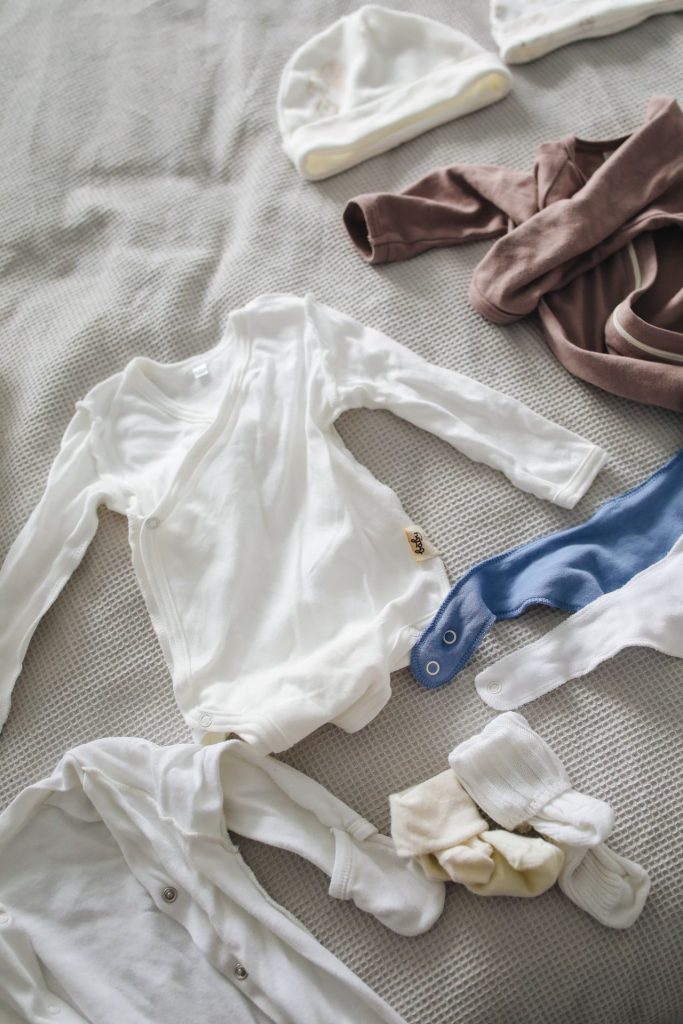
When disassembly is permitted, follow the stated sequence and keep track of components. Do not remove something simply because it seems easier to wash separately. Some parts may require a particular treatment or should not be handled in that way. If you cannot explain how the item returns to its documented setup, pause and clarify before taking it apart. Photographs can help you remember a permitted process, but they should not replace the manual or authorise an unsupported modification.
Follow the stated cleaning directions
More product, a hotter wash or a mixture of chemicals is not automatically better. Use only methods supported by the care instructions and relevant product directions. Use the cleaning-product label and equipment instructions for concentrations and washing conditions, checking that both apply to the materials involved. If a particular hygiene concern arises, seek appropriate authoritative guidance rather than combining substances because a comment says the mixture is powerful. Stronger-sounding advice may add hazards without answering whether the method is suitable for the exact equipment.
Keep cleaning materials stored away from children and separate from feeding supplies. During the task, arrange supervision rather than leaving an open bottle or dismantled component within reach. Ordinary household familiarity does not make a product safe to handle as a toy. Plan where wet or treated parts will go so they do not create new access problems. Cleaning should not turn a shared route into an obstacle or leave small parts available to a child while the adult is occupied elsewhere.
Give drying and reassembly their own time
Read what the instructions require after washing. Do not assume a component is ready because its outer surface feels dry or because an outing is due to begin. Avoid improvised heat sources and unsupported machine-drying methods. A realistic care routine includes somewhere suitable to dry and store the product. If your space makes that difficult, recognise the practical limitation rather than rushing the process or changing the method without reliable information to keep the original schedule intact.
Before using the equipment again, follow the manufacturer's directions for returning it to its proper configuration. Check that the necessary components and instructions are together. Do not add an extra cushion, strap or mattress because it makes the freshly cleaned item seem more comfortable. Cleaning does not change intended use. For infant sleep products especially, decorative additions should not replace an appropriate clear sleep space or the exact approved setup simply because the original arrangement looks plain after care.
Make the routine maintainable
When considering new equipment, read its care needs before purchase. A removable cover may still have instructions that are awkward for your facilities. Compare what you can actually maintain rather than a generic easy-clean claim. Ask the retailer or manufacturer about unclear details and retain the answer. Do not assume every stain must disappear to prove good care; focus on following the relevant guidance and recognising when a product condition needs professional or manufacturer attention beyond routine washing.
After cleaning, keep a simple note if anything needs clarification or replacement. Avoid turning the task into an elaborate daily checklist that nobody can maintain. A useful routine is specific enough to preserve instructions and simple enough for the responsible adults to follow. The goal is not to discover one powerful method for all baby gear. It is to care for each item as intended, without unsupported chemicals, hurried reassembly or the mistaken belief that a freshly cleaned appearance resolves every question about safety and suitability.