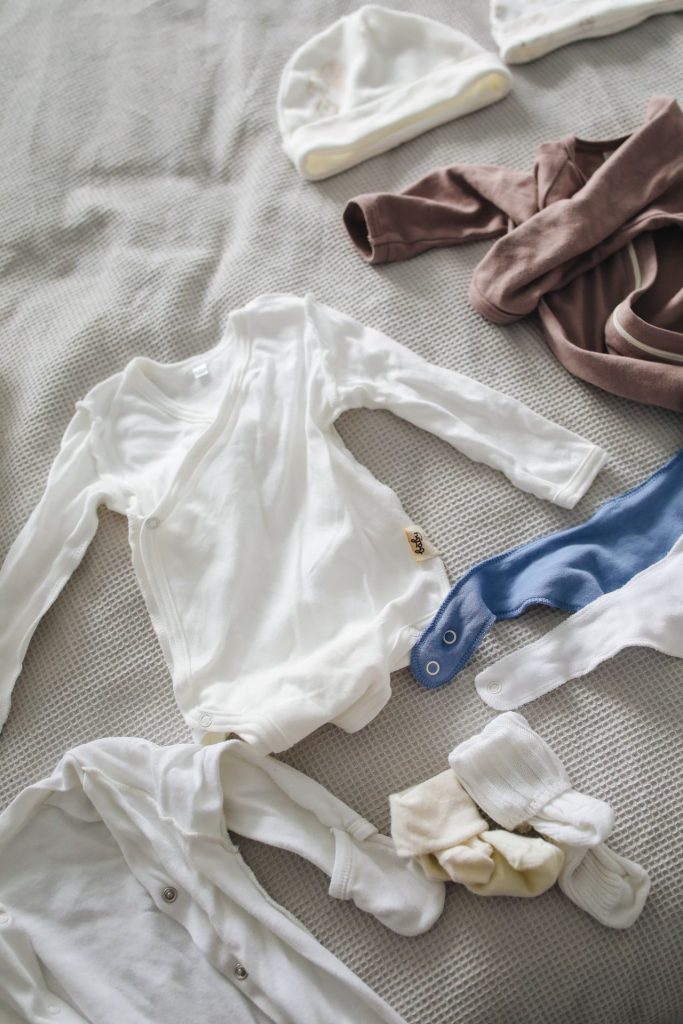

Read the intended use before the design
Baby sleepwear is often presented through colour, fabric and promises of comfort. Before choosing, identify the exact product and read how it is intended to be used. A general category name does not answer questions about size, fit or limits. The instructions should apply to the item you are buying or borrowing. Do not assume a familiar-looking fastening or shape works in the same way as another product a family member has used before.
Keep the child's stage and relevant professional guidance in view. An approximate age on a retailer's page is not a substitute for the manufacturer's fit criteria. If you cannot understand the sizing information or whether the item is appropriate, ask before using it. Avoid making a personal formula from a chart that belongs to another product. Sleepwear should be selected with its actual instructions, not a collection of guesses assembled from reviews and photographs.
Keep weighted products out of the plan
The CPSC's infant sleep guidance says not to use weighted blankets or weighted swaddles. Marketing language about soothing, gentle pressure or mimicking an adult's touch does not remove that boundary. Do not treat a weighted item as a small experiment to see whether it helps your baby sleep. A testimonial cannot establish safety, and a family member's positive experience does not become a recommendation for another child with a different situation.

Also distinguish adult bedding advice from infant care. A product suitable for an adult is not automatically appropriate in miniature form. Avoid pillows, soft additions or positioners as accessories to sleepwear. If an item claims to prevent a medical condition, seek appropriate authoritative information rather than assuming the claim was independently established because the product is available for sale. The practical shopping question should stay separate from the hope that one purchase can guarantee a safer or longer night.
Check fit without improvising
Follow the product's instructions for putting it on and securing it. Do not modify openings, add fasteners or combine parts from different items because the fit looks almost right. If it is damaged, incomplete or difficult to identify, ask the manufacturer or choose another appropriate option. A home adjustment may make the item look neater while creating new questions about intended use that neither the retailer's photograph nor a general care article can resolve.
If several carers use the same product, show them the relevant instructions and where to find them. Avoid a handover based on the assumption that all sleepwear is obvious. They should know which item is being used and any stated limitations, without needing access to unrelated personal information. A short clear explanation is more useful than leaving several similar products together and expecting the next adult to infer the intended arrangement while caring for a tired baby.
Treat warmth information as context, not a universal equation
Read the manufacturer's information about the product and consider the actual environment and child. Read fabric labels, room conditions and clothing choices alongside current safer-sleep guidance; combining those details does not create a guaranteed result. General guidance can help frame questions, but an individual concern belongs with an appropriate qualified professional. Comfort preferences and adult impressions do not establish infant safety, and a material described as breathable does not make every combination appropriate.
Check what changes when you move indoors, into transport or to another home. Do not assume an outfit selected earlier should remain unchanged in every setting. Relevant care guidance and observation matter more than protecting a planned look. If the baby seems unwell or you are worried, seek appropriate advice. Do not respond by adding products repeatedly or relying on a reassuring label instead of addressing the actual concern with someone qualified to assess it.
Plan care and replacement questions
Review washing and drying directions before buying. Do not assume every removable or natural-fibre item can use the same method. Avoid unsupported chemicals, temperatures and repairs. Check the condition and fit as the item is used, returning to its instructions when the child's needs change. If a safety warning concerns the product, identify the exact model or batch and follow the original notice rather than trusting a forwarded summary or deciding that an attractive appearance proves the item is unaffected.
Good sleepwear information helps adults understand limits as well as features. You do not need to choose the most elaborate item or a design promoted as essential for every family. Keep the decision grounded in intended use, fit and current infant guidance. When the information is unclear, asking or declining is a complete next step. A purchase should support appropriate care, not create an obligation to test a claim or continue an unsuitable arrangement simply because you already paid for it.
Further reading: CPSC: safe sleep and infant products.