Reviewing the route ahead helps keep short outings manageable when taking an infant or toddler out in a pushchair. Focus on surface details and overall distance before leaving the house. The process starts with matching the outing length to the child’s current pattern of feeds and rest, then checking the actual ground underfoot so the pushchair remains stable throughout.
Begin by walking the intended path once without the child to note width, level changes and any obstacles that could slow progress. This single check reveals whether the total distance fits the time available and whether the surface requires extra care with steering or braking. The same walk also shows where crossings or turns need planning so the return journey stays straightforward.
Identifying suitable path surfaces near home
Walk the first few hundred metres at the speed you would push a loaded pushchair and note any raised edges, cracks or drainage grates that could catch a wheel. Pay particular attention to sections where tree roots have lifted the pavement or where recent repairs have left uneven joins. These small irregularities become more noticeable once the pushchair carries weight and a child who may shift position. If a stretch requires constant steering corrections, it adds fatigue and extends the time needed for the same distance.
After rain, check whether leaves or loose gravel remain on the surface; both reduce grip and make turning harder, especially on slight slopes. A simple test is to stop the pushchair on a gentle incline and release the brake slightly to see how much effort is needed to hold position. Routes that stay on tarmac or well-laid slabs usually need fewer adjustments than those crossing gravel or grass verges. If the surface changes frequently within a short distance, the outing may feel longer than the map distance suggests.
Measuring distance against daily timing
Measure the full round trip on a map or by walking it once at a steady pace, then add five to ten minutes for any unexpected stops such as adjusting clothing or a brief pause. Compare this total time against the interval between feeds or naps so the outing ends before the next expected need arises. For children under one year, routes under twenty minutes each way usually leave enough margin; for toddlers who can walk short sections themselves, slightly longer distances become possible provided safe places to stop exist.

Break the route into segments marked by obvious landmarks so progress can be checked without a watch. If the outward leg takes longer than planned because of surface conditions, the return leg can be shortened by choosing a parallel street that avoids the slowest section. Keep the overall distance flexible by identifying one or two cut-through options before leaving, rather than deciding on the spot when the child becomes restless.
Preparing the pushchair for the chosen surface
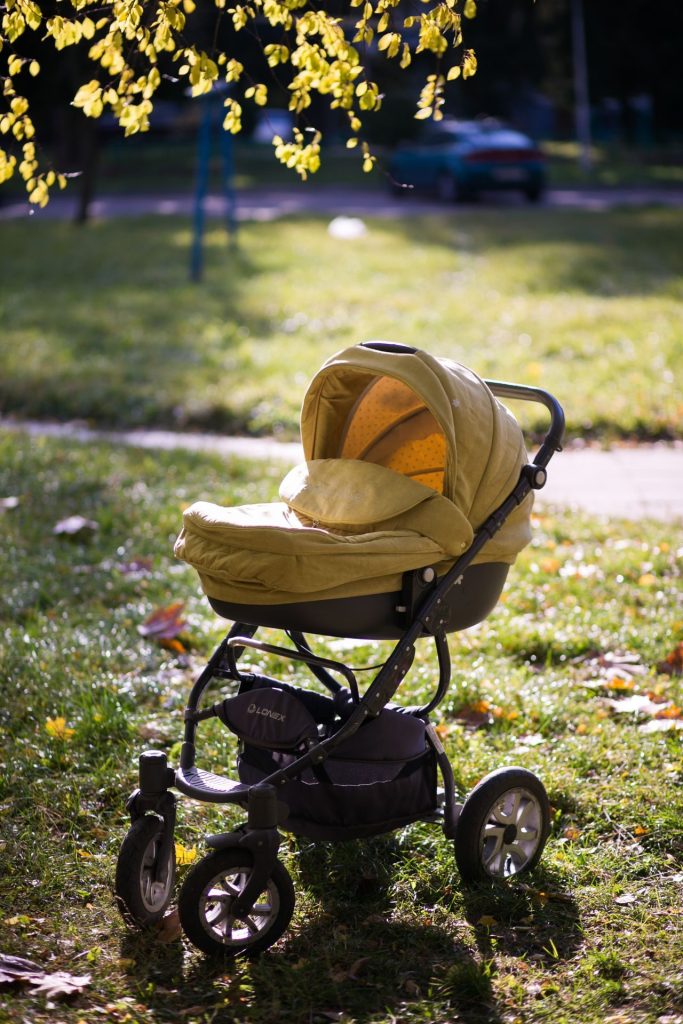
Check wheel locks and any adjustable suspension settings against the surfaces already observed. On firm, level pavement the suspension can often stay firmer for easier steering, while rougher sections benefit from a softer setting that absorbs small bumps. Test the brake on the steepest short slope near the house to confirm it holds without the adult needing to grip the handles continuously. If the pushchair has a rain cover or sun shade, fit it before departure so it can be opened or closed quickly without unpacking other items.
Ensure the basket or under-seat storage remains accessible once the child is seated, because retrieving items mid-route on narrow pavements is awkward. Remove any accessories that add unnecessary width if the path includes tight gaps between parked cars or bollards. A final quick check of tyre pressure prevents the extra effort that soft tyres create on longer flat stretches.
Deciding what stays in the bag for a brief trip
Limit contents to items used within the planned time: one spare top layer, two clean cloths and a small pack of wipes. Anything beyond this adds weight that affects handling on uneven sections and increases the chance of needing to stop to rearrange the bag. Place the bag low in the basket rather than on the handles so the pushchair remains balanced when turning or crossing kerbs.
Leave toys and extra layers at home for these short outings; familiar household objects can be offered later if the child needs distraction. If the route passes a shop or café that could serve as a brief shelter, note its location in advance rather than carrying additional supplies. The goal is to keep the total load light enough that steering stays comfortable for the full distance.
Adjusting for different developmental stages
For babies under six months the priority remains routes with minimal bumps and steady shade from buildings. Short distances on smooth pavement reduce the time spent in the pushchair while still allowing fresh air. Once a child sits more steadily, routes with occasional low kerbs become manageable, yet the total length should still allow quick return if posture changes or the child shows discomfort.
Toddlers who walk short distances themselves benefit from paths that include safe grassy edges or wide verges for brief supervised movement. These stops let the adult adjust straps or offer a drink without blocking the pavement. In every case the distance is chosen so the adult can respond promptly to changes in the child’s comfort rather than aiming for a fixed length.
Reviewing the return journey in advance
Note any uphill sections that will feel longer on the way back and plan to take them earlier when energy is higher. Identify the last safe crossing point before home so the final stretch requires minimal decisions. If the outward route included a busy road, consider whether a quieter parallel street exists for the return, even if it adds a few minutes.
Check whether daylight or temperature is likely to change during the outing and adjust the departure time accordingly. A simple mental list of two or three possible rest points along the route provides options without extending the overall time. This preparation keeps the return leg predictable even if surface conditions or the child’s mood differ from the outward journey.
Repeating the check after seasonal changes
Reassess the same route after leaves fall or new construction appears, because small surface changes affect wheel movement more than expected. Winter grit or spring mud can turn a previously easy section into one that requires slower progress or an alternative path. Update the timing of the outing if daylight shortens, ensuring the full round trip finishes before darker conditions begin.
Repeat the surface check after any major weather event such as heavy rain or wind, noting new puddles or debris. A five-minute walk before the next outing confirms whether the previous route remains suitable or needs adjustment. This regular review keeps decisions tied to current local conditions rather than assumptions formed weeks earlier.
Keeping these checks brief and repeatable supports regular short outings without adding preparation time that outweighs the benefit of leaving the house.