Many parents find that a short errand becomes smoother when the route and timing receive attention first. For babies under one year, this means looking at the distance, surface type and available stops before leaving the house. A clear plan reduces the chance of needing to adjust mid-trip when the baby shows signs of hunger or tiredness. The approach works best when the outing length matches the baby’s usual patterns rather than expecting the baby to fit around adult schedules. This keeps the trip practical for zero-to-twelve-month-olds who still require frequent feeding or nappy changes and may fall asleep after a short time outdoors.
The focus stays on matching the outing length to the baby’s usual patterns rather than expecting the baby to fit around adult schedules. This approach keeps the trip practical for zero-to-twelve-month-olds who still require frequent feeding or nappy changes and may fall asleep after a short time outdoors. Checking the baby’s recent behaviour over several days gives a reliable guide for departure times. Parents can note whether feeds or naps tend to run early or late on different days of the week. Such records help set realistic windows that reduce pressure during the journey itself.
Choosing the right time window
Start by noting the baby’s typical feed and nap intervals over a couple of days. Most infants under six months feed every two to three hours, so aim to leave shortly after a feed and return before the next one is due. For babies approaching twelve months, the gap may stretch slightly, but sudden tiredness can still occur. Recording actual times rather than estimated ones provides clearer data. Parents then compare these intervals against the total time needed for travel and the errand. This comparison shows whether the planned window fits within safe margins or requires shortening the route. When intervals vary, choose the shorter recorded gap as the working limit to avoid running late.
Check the weather forecast for the exact hours you plan to be out. Wind or rain can shorten comfortable time outside even on a short route. If the forecast shows changing conditions, adjust the departure time or choose an indoor errand instead. Temperature swings matter more for young babies whose temperature regulation is still developing. A sudden drop can prompt earlier return even if the original plan allowed extra minutes. Parents who check both the hourly forecast and any wind warnings gain a practical sense of how long the baby will stay comfortable in the chosen clothing layers.

Mapping a simple route
Plot the path on foot or by public transport, noting any steps, uneven pavements or busy crossings. A route with at least one bench or café allows a quick pause if needed. Measure the total walking time and add fifteen minutes as buffer for unexpected stops. Parents can walk the same route once without the baby to confirm actual duration and spot any obstacles that appear only at certain times of day. This trial run also reveals whether pavement surfaces become slippery after light rain. Recording these details on a simple note helps refine future trips without relying on memory alone.
Identify toilets or baby-change points along the way in advance. Many shops display this information on their websites or apps. Knowing these locations means you can reach them without backtracking if a change becomes necessary. Parents should also note whether these facilities have enough space for a stroller or require the carrier instead. When facilities are limited, the route can be adjusted to include a known reliable stop even if it adds a few minutes. This step prevents last-minute searches that increase stress for both adult and baby.
Selecting clothing layers
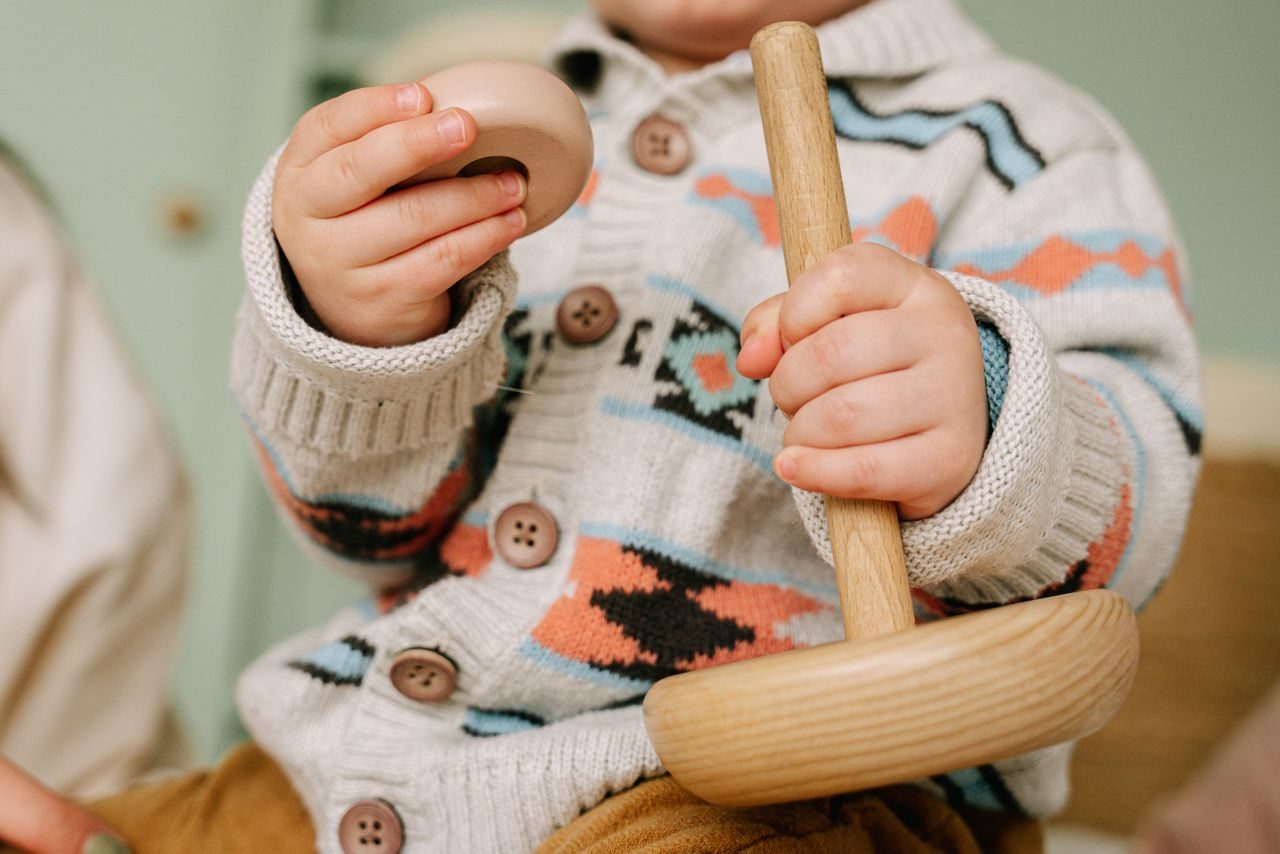
Dress the baby in one more layer than you would wear yourself for the same temperature. A zip-up suit or cardigan that can be removed easily works better than multiple buttons when space is limited. Keep a spare top and leggings in the bag in case of spills. Parents judge the number of layers by feeling the baby’s neck or back rather than relying on the baby’s hands or feet, which often feel cooler. This method gives a more accurate indication of overall comfort. When the outing includes time indoors, plan an outer layer that can be opened quickly to prevent overheating once inside a shop or post office.
For babies who are starting to roll or sit, choose clothes without loose strings or small attachments. This reduces the risk of items coming loose during handling on the move. Checking seams and fastenings before leaving the house catches any loose threads that could become a distraction. Parents also consider whether the chosen outfit allows easy nappy access without full undressing in cold weather. A two-piece set often proves more practical than an all-in-one suit when only a quick change is required. These small choices keep the focus on comfort and safety throughout the short journey.
Assembling the bag contents
Limit the bag to what fits in a small cross-body style: two nappies, a pack of wipes, a change mat, a spare outfit, and a lightweight muslin. Add a small bottle of expressed milk or prepared feed only if the journey exceeds the usual feed interval. Follow the manufacturer’s instructions for any bottle preparation and keep it cool until use. Parents can test the bag weight at home while carrying it one-handed to confirm it remains manageable alongside stroller or carrier use. Overpacking often occurs when items are added “just in case” without checking actual need for that specific errand length.
Include a dummy or teether if the baby uses one, stored in a clean case. Avoid adding toys or extra items that will not be used on this specific trip. The goal is to keep the bag light enough to carry one-handed while pushing a stroller or holding the baby. Reviewing the list against the route length helps remove anything that adds unnecessary bulk. Parents who repeat the same short errand several times can refine the contents further by noting which items stayed unused on previous outings.
Deciding between stroller and carrier
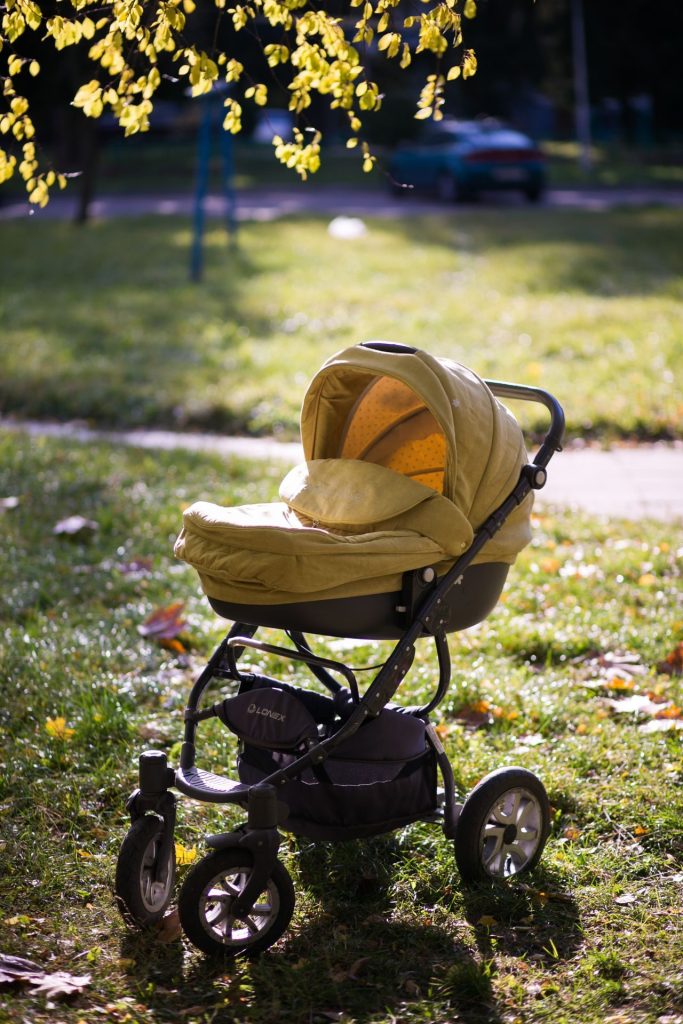
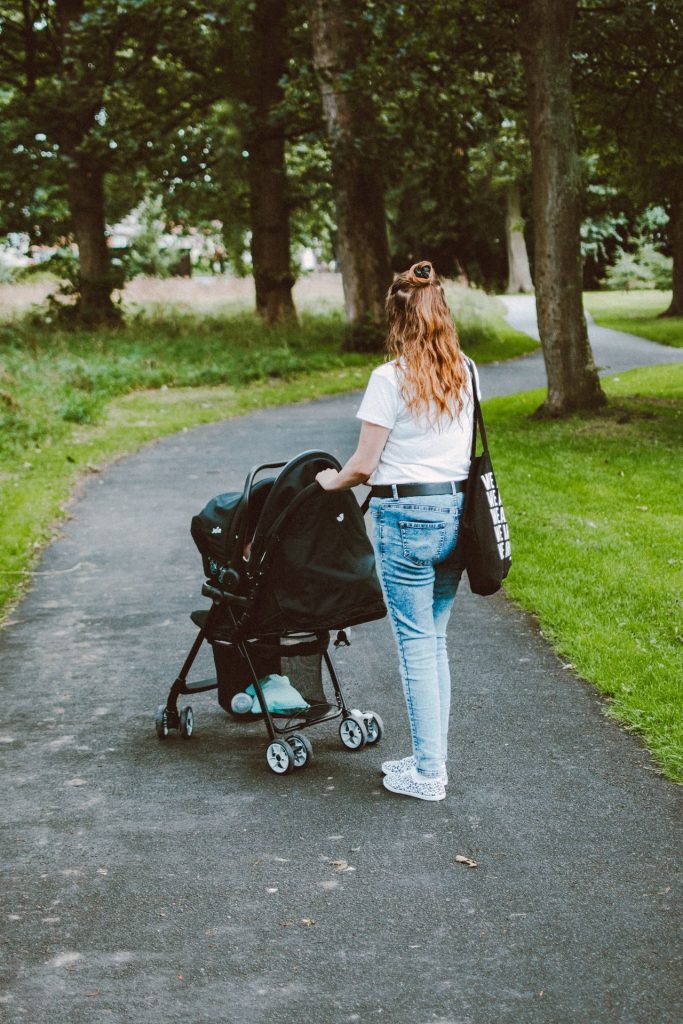
Check the stroller manual for the maximum weight and recline options suitable for the baby’s current stage. A fully reclined seat suits younger infants who cannot yet sit unsupported. Carriers should follow the manufacturer’s weight and positioning guidance, with straps adjusted before leaving home. Parents compare the two options against the route’s physical demands, such as stairs or narrow shop aisles. The carrier often wins for quick indoor stops, while the stroller provides storage for any purchases. Testing both options on a short home-to-door walk reveals which feels more stable on the local pavement surfaces.
If the route includes stairs or narrow shop aisles, the carrier may be the clearer choice. Test the carrier fit at home first so adjustments do not take time during the outing. Parents also consider how the baby’s current developmental stage affects positioning comfort over the expected duration. A baby who has begun to push up may need more frequent position checks. Keeping the chosen option’s instructions accessible on a phone note allows quick reference if any adjustment question arises midway through the trip.
Allowing for changes on the day
Even with planning, babies can become unsettled. Build in one flexible point on the route where you can turn back without completing the full loop. Keep the return journey in mind when choosing the outward path so you do not face a longer walk when energy is lower. Parents mark this turning point on their mental or written map before leaving. This habit prevents indecision when the baby shows early signs of fatigue or hunger. The same point can serve as a meeting spot if another adult joins the outing partway through.
After returning, note what worked and what felt unnecessary for the next trip. Over time this creates a shorter, repeatable list tailored to your baby’s patterns and the local area. Recording only the practical details, such as actual duration and items used, keeps the notes useful without adding personal information. Parents can compare notes across several weeks to spot seasonal changes in suitable departure times or clothing needs. This ongoing adjustment supports smoother short errands as the baby grows.