Ask what facilities the visit provides
Before packing a meal for a young child, find out where it can be prepared, stored and served. A visit may have less space or different facilities from home. Do not assume that an insulated bag, a familiar container or a host's general reassurance answers every food-safety question. Start with the actual journey and destination, then choose a plan that follows the relevant authoritative guidance and product instructions rather than improvising after arrival.
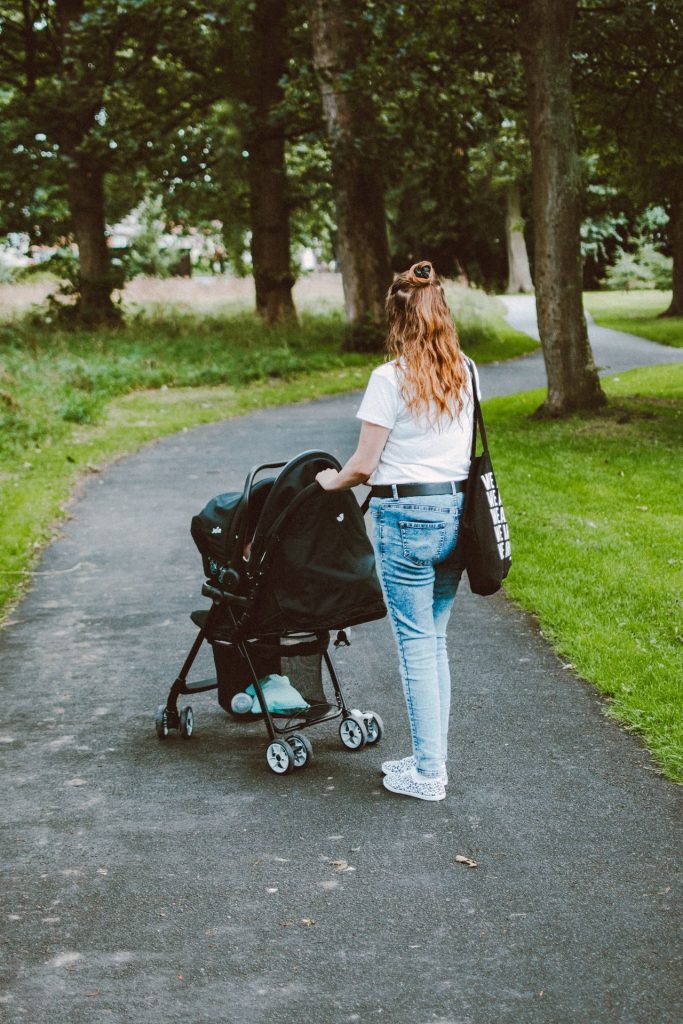
Keep transport and eating separate. A child eating solids needs an appropriate seated and supervised meal, not food while walking or riding in a moving stroller. If the route has nowhere suitable to pause, adjust the timing or stop. This is a practical feature of the outing, not an inconvenience that packaging can remove. Your supplies should support the arrangement, not become a reason to continue an otherwise unsuitable plan.
Pack from the child's existing care plan
Use the feeding approach and instructions relevant to your child. A general travel list cannot prescribe formula ratios, storage durations or an individual diet. If a question about readiness, allergy or feeding difficulty is unresolved, seek qualified advice. Do not change something important simply because a relative suggests an easier method for the visit. Convenience belongs in the conversation, but it should not silently replace a professional plan or manufacturer instruction.
Select the supplies needed for that plan and group them clearly. Separate clean items from used ones and consider where waste will go. Avoid overpacking products you do not know how to use. An unfamiliar gadget can add another task rather than simplify feeding. If another adult will manage the meal, show them the arrangement before the handover and make sure the relevant instructions are available in a form they can actually understand.
Keep uncertain information visible
If you do not know whether the destination can support the chosen meal, ask before leaving. Do not enter an assumed answer in your mental checklist just to finish packing. A host may mean that a kitchen exists, while you need to know about a particular facility or practical space. Be specific without demanding private household details. A clear question can prevent a hurried compromise that leaves the responsible adult trying to solve several care tasks at once.
Read storage and preparation directions from the applicable reliable source. Do not copy an exact time from a message about another food or set of conditions. Follow the relevant food-storage guidance and cleaning-product directions for the actual items and conditions involved. You can keep a source reference alongside your packing note if that helps another carer. The aim is to preserve the relevant information, not create an improvised rule whose origin nobody can remember when the circumstances change.
Plan the serving space
Check the actual chair or other appropriate setup, including its instructions and relevant limits. A tray or another adult standing nearby does not replace responsible supervision. Put necessary supplies within reach so you do not have to leave the child to search. If the only option is an unsuitable space, change the visit's meal plan or location rather than assuming that a familiar food makes the setting unimportant or that a quick snack needs less attention.
Leave time for a calm pause. An outing can easily grow into a sequence where feeding is expected to happen in the gap between adult tasks. Consider reducing the itinerary instead. You do not need to prove that the child can follow every planned stop. Also respect the host's limits: if a facility or task is not available, recognise that information rather than expecting them to improvise childcare equipment or a complicated preparation process without notice.
Bring the information home again
After the meal, deal with used items and remaining food according to the relevant guidance, rather than assuming everything can travel back and be reused in the same way. Follow cleaning instructions for equipment. Do not add stronger chemicals because items have been away from home. A practical reset means separating used supplies and checking what needs replenishing, without turning one outing into an elaborate sterilising procedure unsupported by the products or care advice involved.
The next visit may need a different plan as facilities and the child's needs change. Keep one useful observation rather than grading the trip. A clear meal arrangement combines appropriate preparation, storage information and a suitable supervised place to eat. A bag is only one part. When the surroundings cannot support the plan, adjusting the outing is a sensible outcome and usually more useful than buying another container to conceal an unresolved care question.