
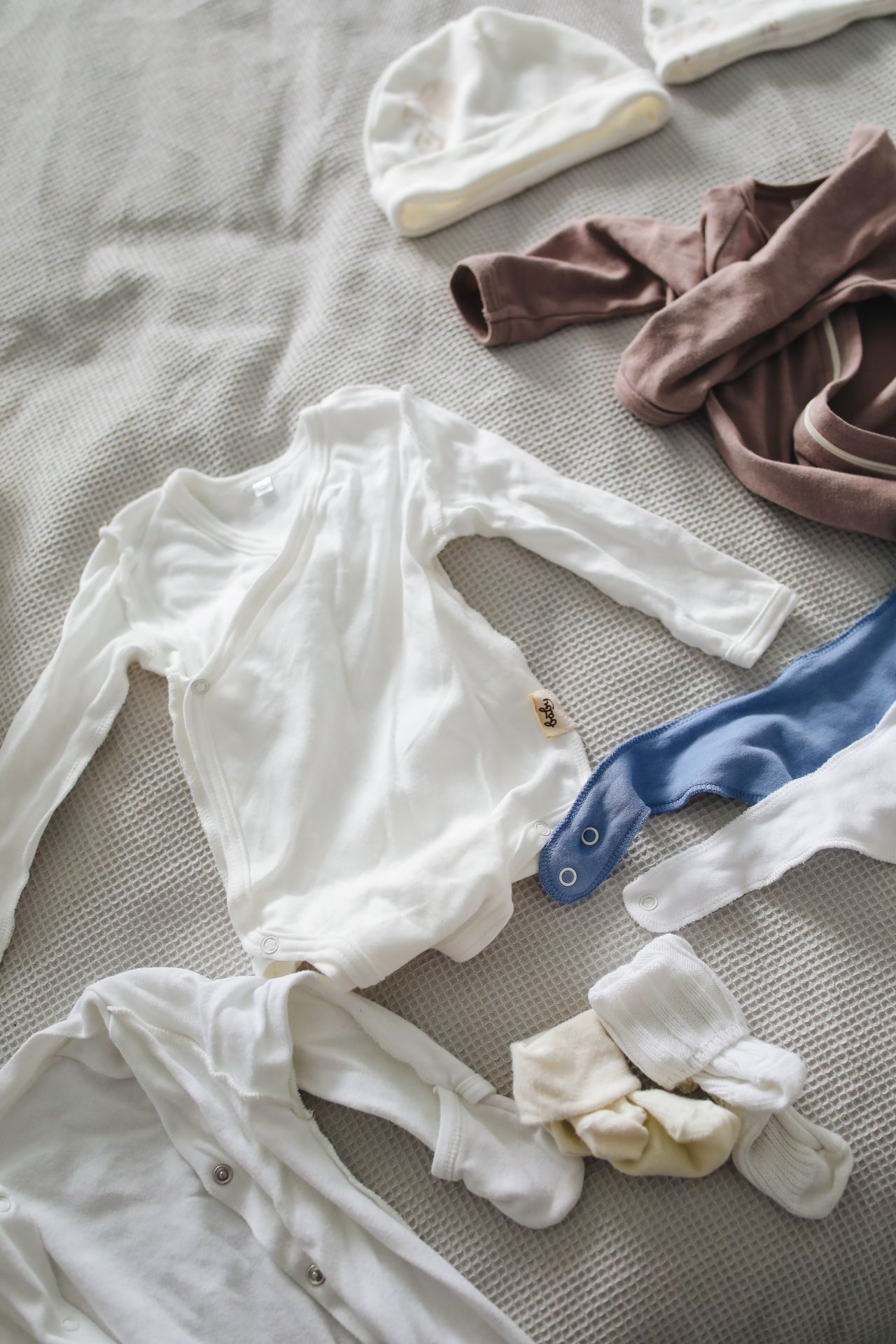
Arrange supplies before filling the bath
Bath-time preparation is useful because an adult needs to stay with the child rather than leave to fetch something. Gather the items you will actually use and check that they are within practical reach. Keep unnecessary products out of the way. You do not need a large collection of accessories, but you do need a sequence that does not depend on stepping out briefly while the child is in the water or assuming they will remain safely occupied until you return.
Think about the whole room and the period after the bath. Where will the child be, and who is responsible while supplies are put away? If another adult helps, agree the handover explicitly. A person nearby is not automatically supervising. Clarifying the task before starting is easier than trying to divide attention between the child, a ringing phone and an item that was left in another room and now seems urgently necessary for finishing the routine.
Keep supervision independent of products
NHS safety guidance makes clear that a bath seat is not a safety device replacing adult supervision. Shallow water and an older child are not substitutes either. Do not treat a product's ability to hold a position as permission to leave. The responsibility remains with the adult. If you must attend to something else, organise a safe alternative rather than trying to make the bath continue unattended for what feels like a short and harmless moment.
Avoid comparing accessories as though one can remove this responsibility. An item may have a limited practical use when used exactly as intended, but its instructions and limits still matter. Check the specific model and intended setup. Do not improvise supports, add cushions or use a household container as a certified substitute. If you are unsure what arrangement suits the child or your circumstances, ask for appropriate guidance instead of relying on a product photograph or another family's memory.
Keep product choices simple and specific
Use products according to their instructions and seek qualified advice for individual skin or health concerns. Ask an appropriate healthcare professional about a rash or treatment concern, and use care products according to their directions. More products are not automatically better care. If a familiar item changes, read the new information rather than assume every version is identical. Make sure other carers know what is actually being used, especially when the packaging looks similar to something with a different purpose or instructions.
Store medicines, cleaning products and small objects away from the child's access. Preparation should not place hazards near the bath for convenience. Check what can be reached from where the child will be and what the adult can manage without distraction. This is an ordinary practical review, not a guarantee that the room is safe forever. Children and household arrangements change, so a routine needs attention to the current situation rather than automatic reliance on how it worked before.
Do not turn a routine into a timetable test
Bathing may be part of a familiar evening, but it does not need to become a rigid condition for sleep. If circumstances change, reconsider the task rather than rushing through it to preserve the sequence. Individual care questions can be discussed with an appropriate professional. Choose care methods with the child’s skin, health and product instructions in mind, seeking appropriate advice when a concern or uncertainty affects the arrangement.
Your own comfort and support also matter. If the physical arrangement is difficult, seek a practical and appropriate alternative rather than improvising a lift or continuing while unable to supervise adequately. You do not need to prove independence by doing everything alone. An explicitly agreed helping role can be useful. It should preserve attention to the child and product instructions, not add multiple adults who each assume the other is managing the essential part of care.
Finish with a clear transition
Plan what happens immediately afterwards so the child is cared for while the room and equipment are reset. Keep water access controlled and follow relevant equipment care directions. Do not leave the bath or supplies as the next household hazard simply because the main task feels finished. If something needs cleaning, use its actual instructions rather than an improvised stronger mixture. Put products away where they will not become accessible during another person's later visit to the room.
The useful standard is a manageable routine with responsible adult attention, not a perfect bathroom or an elaborate collection of products. Preparation supports supervision; it never replaces it. If an emergency occurs, seek local emergency help and follow professional instructions rather than waiting for an online reply. For ordinary days, gathering supplies, clarifying responsibility and allowing enough room for the transition can make bath time simpler without making any product carry a promise it cannot fulfil.
Further reading: NHS: baby and toddler safety, including bath supervision.