
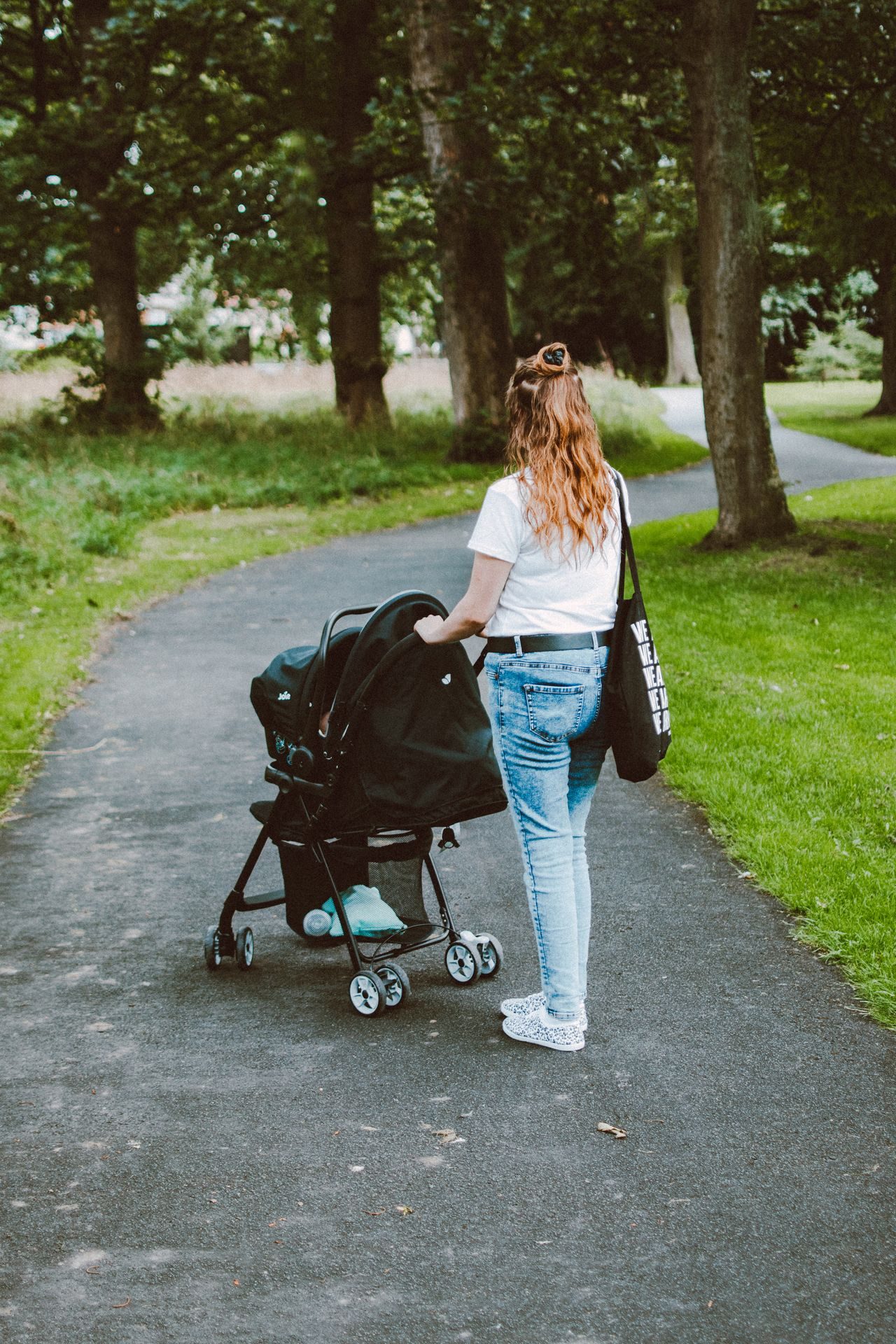
Households often need to decide whether to gather baby supplies in one main location or place smaller sets of items in several rooms. This choice affects how smoothly shared care runs when more than one adult handles feeding, changing and play across a typical day. The decision rests on room sizes, movement patterns between spaces and how many people take turns with care tasks. Both setups can work when they keep essential items within reach without adding extra steps during routine moments. Clear agreement between caregivers on placement reduces the chance of items being misplaced when routines shift between day and night care.
Parents and other adults sharing responsibility benefit from testing either arrangement against actual movement through the home rather than assumptions about convenience. A central station suits homes where most care happens in one area while distributed points help when care occurs across separate rooms at different times. The approach should support continuous supervision without requiring extra hands or repeated trips. Regular checks every few months allow adjustments as the child grows from newborn to toddler stage and needs change.
Assessing room layout and daily movement
Begin by listing the rooms used most often for care activities such as feeding, changing and short play sessions. Record doorways between these spaces, any changes in floor level and the usual path an adult follows when carrying the baby. Measure the distance walked during a typical sequence to understand how layout influences time spent moving rather than attending to the child. Note surfaces that remain clear during ordinary household use because a workable station requires stable space that does not compete with other tasks.
Observe which rooms see the highest volume of care in the first three years and how that pattern may shift as the child begins to move independently. A home with open-plan living may favour one central point while a property with separate bedrooms and kitchen may suit smaller supply points in two or three locations. The assessment should include input from every adult who provides care so that the final choice reflects shared routines rather than one person’s preference. This step prevents later adjustments that disrupt established habits.
Benefits of gathering items in one central station
A single station reduces the chance of forgetting an item when moving between rooms and makes it easier for a second caregiver to locate supplies quickly without searching multiple places. Stock the station with daily-use objects such as wipes, spare clothing layers and a changing mat while keeping less frequent items on a higher shelf within the same area. The arrangement supports focused supervision because everything needed for a task stays together and visible. Over time this layout can lower the mental load for adults who alternate shifts or cover unexpected care moments.
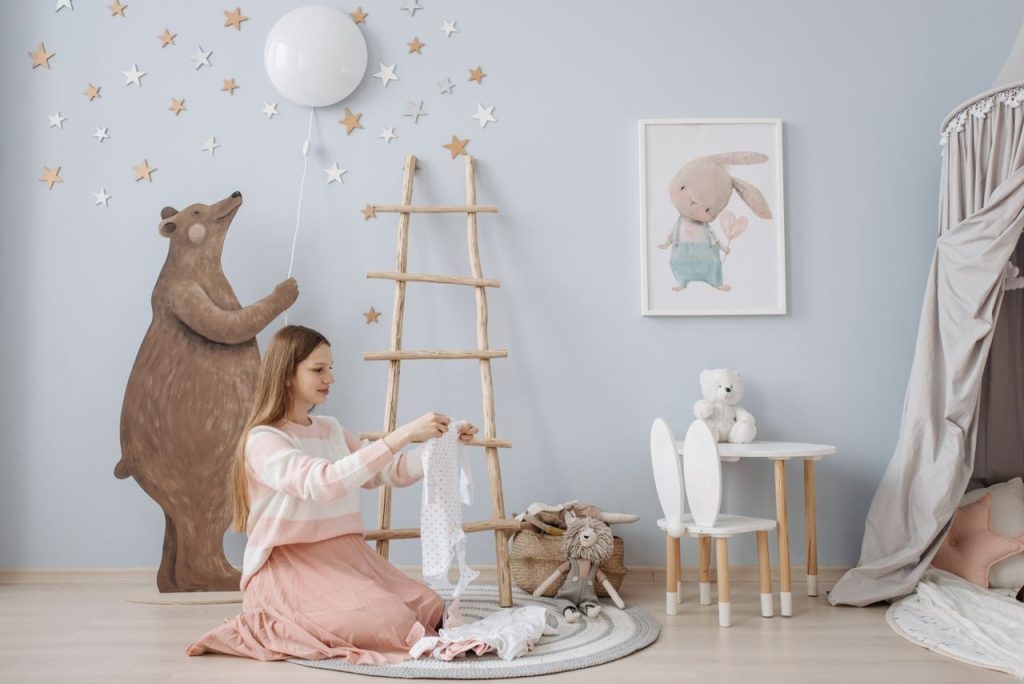
The central approach works best in homes where most care occurs in one main room and where the surface can remain dedicated during the hours of heaviest use. It also helps when caregivers want a single review point every few weeks to check stock levels and remove outgrown items. However the station must stay at adult height and free of unrelated objects so that reaching for supplies does not require bending or turning away from the child. Families with limited floor space often find this method keeps surfaces clearer overall.
Benefits of placing supplies at several points
Distributed supplies cut down on repeated trips when care happens in different rooms at different times of day. For example a small basket near the sofa can hold items needed during short floor sessions while another set stays near the cot for night changes. Each point should contain only the items required for that specific task so that over-stocking does not create confusion. The method supports continuous supervision because essentials remain within arm’s reach wherever the adult and child happen to be.
This layout suits larger homes or households where care routines move between kitchen, living area and bedroom throughout the day. It also fits situations where two adults provide care at different times and each prefers a familiar set of items in their usual location. Duplicate containers should be identical in content and clearly labelled so that both caregivers know what belongs where without extra communication. The approach requires discipline to avoid leaving items behind when moving between points.
Steps to set up a central station
Choose a surface that stays at adult height and remains free of unrelated objects during care periods. Place a waterproof mat on top if the surface is shared with other household uses. Arrange items in order of frequency so that objects used several times a day sit at the front while weekly items sit behind. Test the layout by completing a full care sequence without reaching or bending awkwardly and adjust heights and positions until the sequence feels consistent for both caregivers.
After the initial placement conduct a short trial period of several days to confirm that every needed item is present and that nothing essential has been overlooked. Review the contents every three months as the child grows and some items become unnecessary while others gain importance. Keep a short written list of what the station should contain so that any caregiver can restock without guesswork. This method maintains order without requiring constant verbal coordination between adults.

Steps to create distributed supply points
Identify three or four locations where care regularly occurs and prepare identical small containers for each spot. Fill them with duplicates of the most used items and attach a short list of what each container should hold. Walk through a typical morning and evening to confirm that every container can be reached without leaving the baby unattended. Remove any item that is not needed at that exact location to prevent unnecessary bulk.
Label each container clearly with its intended room or task so that items return to the correct place after use. Establish a simple rule that nothing moves from one point to another without immediate replacement in the original container. Conduct a monthly check to verify that contents still match the list and that no container has accumulated unrelated objects. This routine keeps the distributed system functional as care patterns evolve over the first three years.
Reviewing the arrangement over the first three years
Check the setup every three months to match changes in the child’s mobility and care needs. As the child begins to move independently remove low-level items that could be reached during brief play moments and move frequently used objects higher or into closed containers. Ask the other caregiver for feedback on which items are hard to find so that small adjustments such as swapping the position of two containers can improve flow without a complete redesign.
Document the current arrangement in a short note kept with the supplies so that any new person providing care can understand the system quickly. When the child approaches the toddler stage reassess whether a central station still meets needs or whether distributed points better support emerging independence during play and feeding. The review should focus on practical fit rather than fixed rules and should preserve the principle that supplies remain within reach while the sleep surface stays clear of all non-sleep items.
Common errors when choosing between the two approaches
One frequent mistake is placing too many items at every distributed point which creates clutter and confusion when caregivers search for a single object. Another error occurs when the central station is located in a room that is not used for most care tasks forcing extra walking during busy periods. A third mistake arises when caregivers add new items without removing older ones causing both setups to become overcrowded and less efficient over time.
Some households overlook the need for identical content across distributed containers so that one caregiver cannot find an item because the other has used the last of a duplicate. Others fail to test the layout with actual care sequences and discover only later that reaching certain items requires turning away from the child. Regular removal of outgrown clothing and unused objects combined with brief feedback sessions between caregivers prevents these issues and keeps either arrangement practical for shared daily use.