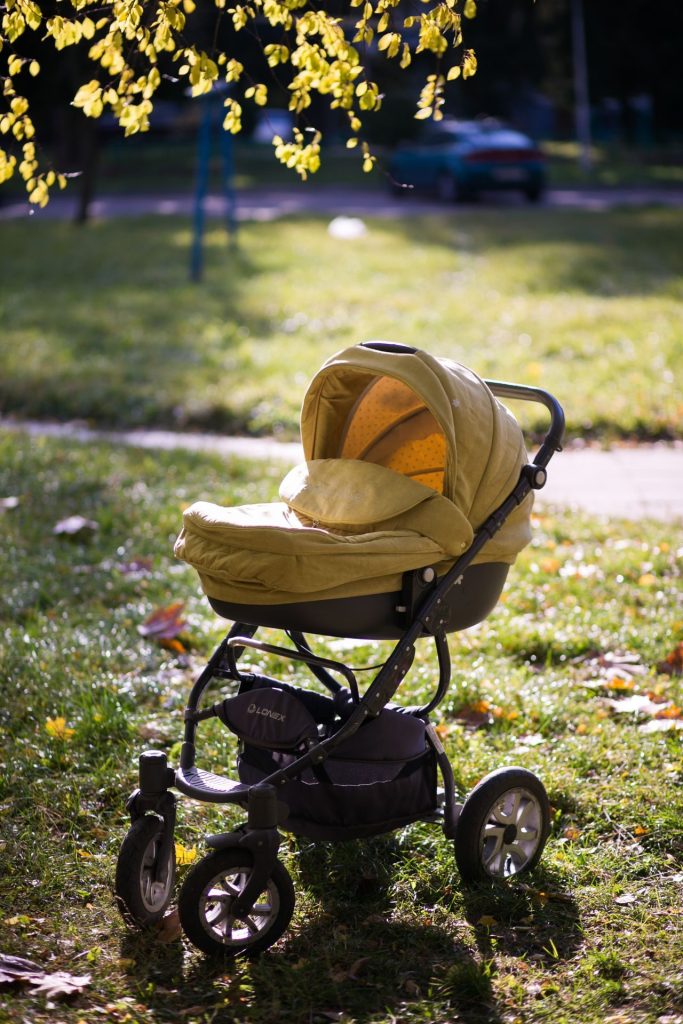
Begin with what the item actually is
Second-hand baby equipment can arrive with a familiar description but little reliable detail. Start by finding its exact model and version. Keep any identifying labels and ask for the original instructions. Without those, it may be difficult to establish intended use, compatible parts and limits. A photo or a seller's broad category name does not provide the same information, especially when products with similar appearances have changed over time.
Do not assume that a long-serving item must be safe because another family used it without reporting a problem. That history may be incomplete and may not describe today's condition. Equally, appearance alone cannot reveal every important event or missing detail. The decision should depend on documented identity, known history and appropriate guidance for the product category, not simply a tidy presentation or the reassurance that the seller has children too.
Ask what is known about previous use
Find out what is known about previous use, damage, repairs and storage. Distinguish a confirmed answer from an assumption. If the seller does not know, keep that uncertainty visible rather than filling it with the most reassuring explanation. Do not ask them to perform an improvised strength test for a video. A home demonstration may show an item moving, but it cannot certify the performance of safety-related components or replace relevant manufacturer instructions.
Car seats need particular care about history. NHS buying guidance advises against buying second-hand seats and highlights accident damage, missing parts and fit. Do not approve an unknown-history seat because it looks undamaged. For any proposed arrangement, obtain the relevant manufacturer information and qualified fitting support as appropriate. Check suitability through the relevant product documentation and appropriate support, keeping unresolved questions about protective equipment visible despite a friendly recommendation.
Check the exact documentation
Compare the item with the manual's component list and intended setup. Ask about missing pieces rather than substituting a similar part from another model. An accessory is not approved merely because it can be attached. If a part needs replacing or there is a safety concern, seek manufacturer guidance. Do not repair restraint components, improvise structural hardware or use household materials to make a product look complete for the child who will use it.
For infant sleep equipment, preserve current safer-sleep requirements. Do not add a soft topper or extra mattress to compensate for wear or an uncomfortable-looking surface. The product needs its specified setup, not a decorative approximation. An old cot or travel cot cannot be made suitable simply by filling a gap or covering a problem. If identity, condition or compatibility remains unresolved, consider another arrangement instead of using the child as part of a practical trial.
Look for relevant safety information
Use the exact identifiers when checking manufacturer information and applicable official warnings. In the Netherlands, the NVWA provides a starting point for baby and child product safety information. Records from another market may be useful context but do not determine Dutch compliance. Also remember that failing to find a warning is not proof that a product is safe. Search results can be incomplete, and the item in front of you may differ from the version shown online.
Keep any warning tied to its stated model, batch and instructions. Do not spread an unverified claim that an entire brand has been recalled. If you cannot identify whether the item is affected, ask the relevant manufacturer or authority. Safety information is practical only when connected to the actual equipment. A general reassurance that the product was expensive when new does not answer a question about a particular version's history, missing parts or intended use.
Decide whether uncertainty is acceptable
Include cleaning and storage instructions in your decision, but do not let a fresh wash stand in for a condition assessment. A clean fabric can make an item look new without resolving the questions that matter. If you cannot obtain reliable information, you can decline the item without accusing the seller of dishonesty. Missing knowledge is itself a reason to choose a different route, particularly where the equipment has a critical safety role.
Second-hand shopping should not require proving that every concern is harmless. A sensible outcome may be a documented item with appropriate guidance, or a decision not to proceed. Keep the product's purpose and the child's needs central. Saving money matters, but a low price cannot supply unknown history or approve an improvised setup. The useful questions are what you know, what the instructions require and what remains unresolved before the equipment becomes part of everyday care.
Further reading: NHS: questions when choosing a baby car seat.