Confirm what is actually available
Before staying with family, ask what infant sleep equipment is available and whether its instructions can be checked. A relative may sincerely believe a spare bed or sofa is a suitable option. Clarify the arrangement without treating the conversation as a judgement of their home or past parenting. The purpose is to prepare appropriate care for this child and visit, not to decide whose memory of family routines is more authoritative.
Give the host specific questions rather than asking only whether there is somewhere for the baby. Identify the product and its complete intended setup. If you are bringing equipment, check that it fits the actual space and can be used as directed. A folded size does not establish a suitable sleeping arrangement. You may need to adjust the trip's length or location when the available setup cannot be confirmed before arrival.
Preserve the same infant sleep principles
The AAP's safer-sleep guidance does not become a decorative preference when you visit. Use an appropriate firm, flat, non-inclined infant sleep surface and keep soft objects and loose bedding out. Do not add cushions or a topper to make unfamiliar equipment look more inviting. Adult comfort expectations are not a reason to alter the infant setup, and a host's reassurance that somebody will check occasionally does not make an unsuitable surface equivalent.
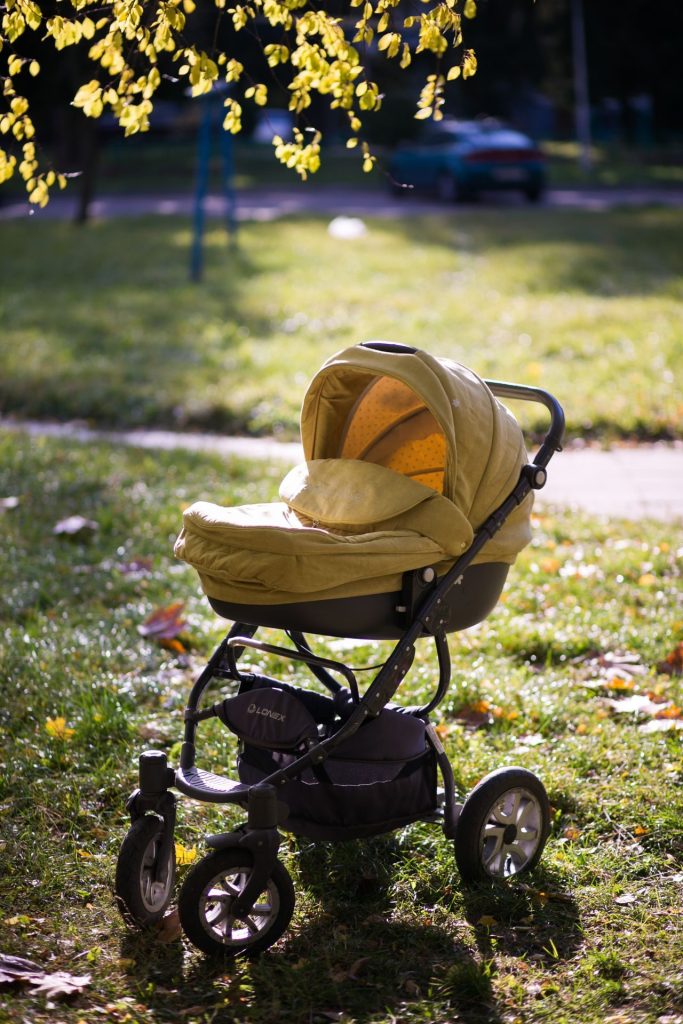
Keep the plan separate from the convenience of leaving a baby in travel equipment. A car seat or stroller seat is not an interchangeable routine sleep space after arrival. If the cot or other appropriate space requires setting up, plan the time and access to do that properly. Do not postpone the question until everybody is tired, then allow the itinerary to determine an improvised arrangement that you would not have chosen if the relevant information had been clear beforehand.
Check identity, components and instructions
Borrowed equipment needs the same attention to model, completeness and intended use as equipment at home. Do not substitute similar-looking parts or infer mattress compatibility from dimensions alone. Ask the manufacturer when information is missing. A clean surface cannot establish the product's condition or documented setup. If it is damaged or uncertain, organise another suitable arrangement rather than using a child as part of a trial to see whether the equipment seems stable enough.
If a warning may concern the item, use the original notice and exact identifiers. Do not assume a whole brand is affected or unaffected. Local product-safety information and manufacturer guidance can help clarify the scope. The aim is a specific answer, not a broad reassurance from a search result. Check borrowed equipment’s exact identity, condition and instructions; the absence of a recall alone does not establish suitability for your child or the intended room.
Explain the plan to the responsible adults
Discuss which adults will provide care and make sure they understand the arrangement. Do not rely on everyone being generally helpful. A concise handover should distinguish essential safety information from optional family preferences. You can state a boundary respectfully without creating an extended argument about how previous generations slept. If disagreement remains about an essential point, resolve it before leaving the child in that person's care or reconsider the visit rather than hoping the subject will not arise again.

Keep privacy proportionate. Another carer needs relevant instructions and contacts, not unrestricted access to every family message or health record. If there is an individual professional plan, preserve its actual wording and seek clarification rather than paraphrasing it into an approximate routine. The host's goodwill does not mean they should guess medication, feeding or medical information. Equally, practical support does not give somebody else automatic authority to change care decisions without discussing them with the responsible adults.
Leave an option to change the visit
Plan a return or another reasonable alternative if the arrangement stops working. You do not need to maintain an overnight stay solely because relatives prepared for it. Acknowledging disappointment is compatible with choosing suitable care. Avoid treating the baby as proof that the family can manage any setup. A shorter visit may preserve time together without making essential sleep questions depend on an adult's willingness to tolerate an arrangement that remains unresolved or contrary to reliable guidance.
Afterwards, note what needs asking next time. The child's stage, equipment and household may change, so one successful stay does not settle every future visit. Keep the next plan specific and modest. A thoughtful family visit combines connection with clear adult responsibility and appropriate care. It does not require a perfect nursery or an expensive travel collection, but it does require refusing the idea that a temporary stay makes an unsuitable infant sleep space acceptable.
Further reading: AAP: infant sleep environment information.