
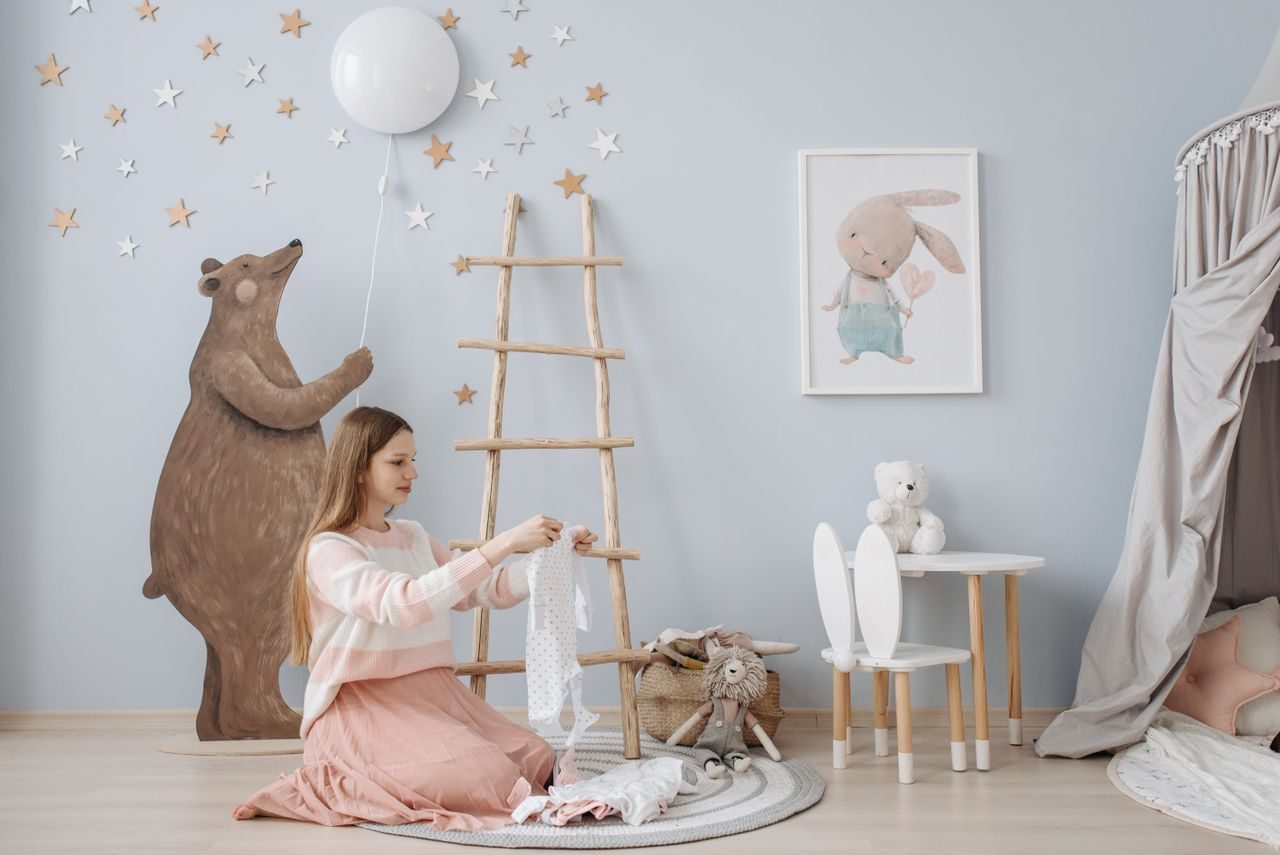
Repetition can be the activity
A toddler may return to the same book, action or play idea while adults are ready for something new. Instead of treating that difference as a problem to solve immediately, look at what is happening. The child might enjoy a familiar sound, turning the same page or putting an appropriate object in a familiar place. NHS toddler activity guidance encourages following the child's lead. That provides a useful starting point without making every repeated action a developmental conclusion.
You can return to a familiar activity instead of planning a new lesson each time. A repeated interaction can remain simple and shared. Respond to what interests the child and allow a pause rather than adding instructions continuously. This is not a promise that repetition will produce a specific skill on a set date. It is an ordinary way of spending time together that leaves the child room to participate and the adult room to notice what the activity actually involves.
Keep the materials appropriate
Choose toys and books intended for the child's stage and use them according to instructions. A familiar activity still needs suitable objects and supervision. Check condition as items are used. Do not add small decorative pieces, cords or improvised mechanisms just to make the next round more exciting. If a product raises a question, pause that use and obtain appropriate information rather than asking the child to demonstrate that it remains safe.

Keep the area manageable. A few appropriate items can be enough for a repeated game, while a large pile may hide the parts being used. Other household objects should not become available by accident. If another carer joins, explain the simple activity and any relevant equipment instructions. A clear handover supports play without requiring everybody to use an identical script or judge one another's ability to keep the child interested throughout every moment of the day.
Add a small change when it fits
If the child remains interested, you might make a familiar sound in a different voice or notice another picture on the same page. Offer rather than demand. The child can return to what they were doing. You do not need to insist that a new variation is more advanced or that repeating the old one is a failure to learn. The point is responsive interaction, not a sequence in which an adult must unlock the next level before play can be considered worthwhile.
Some moments may be mostly observation. Describe an action briefly and leave room for the child's response. Avoid turning every action into a question that has a right answer. An adult's constant prompting can change the activity into a performance rather than a shared exploration. You can participate warmly without narrating every second or recording evidence that a particular educational product is producing the result its packaging promised when you first considered buying it.
Respect adult limits as well
Repetition can be tiring for the adult, and that feeling does not make you uncaring. You can set a gentle practical limit or suggest another suitable activity. Explain the next step simply and keep the environment safe. A routine does not need to continue indefinitely because the child enjoys it. Your available attention, other responsibilities and need for a break belong in family planning, provided the care transition is organised appropriately rather than left to an unacknowledged assumption.
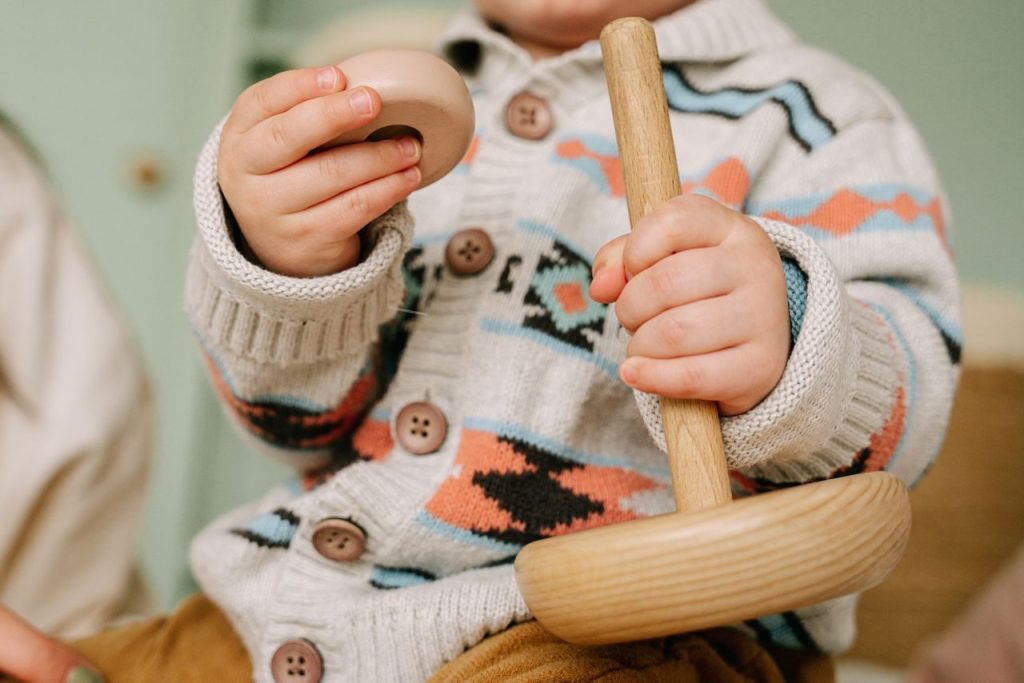
If another adult helps, agree what support is available. They may be able to share a book or supervise appropriate play without taking over everything else. A modest arrangement can be useful. Avoid expecting one person to provide endless novelty or patient repetition as proof of good parenting. The activity should fit ordinary life and support connection, not create another invisible responsibility that somebody must perform perfectly while the rest of the household remains unaware of its workload.
Keep concerns separate from comparisons
One repeated preference does not diagnose the child's behaviour or development. If you have a concern or notice a loss of skills, raise it promptly with a qualified child-health professional. Bring concrete observations and context, not only a label from a social-media discussion. You do not need to stop ordinary enjoyable interaction while preparing a question, nor should you rely on a favourite game as proof that every developmental issue can be dismissed without discussion.
There is room for both familiarity and change. Some days the repeated book will remain enough; other days a different activity will appeal. Keep materials suitable, respond to the child and make adult limits clear. A milestone race adds little to that practical task. Shared play does not need to demonstrate constant progress or justify a purchase. It can be a manageable exchange around something familiar, with appropriate professional support available for concerns that extend beyond the activity itself.
Further reading: NHS: playtime and bonding with a toddler.