Start with what is already available
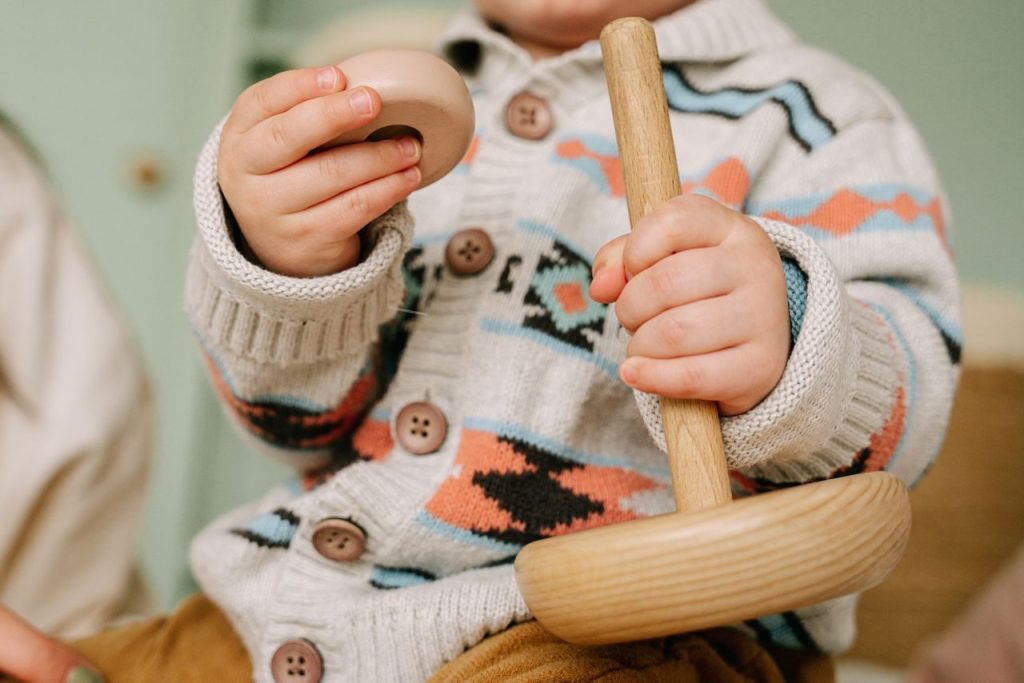
A small play rotation is a way to organise appropriate items, not a requirement to buy a fresh collection. Look at what you have and group it by practical use: books, suitable handling toys and other relevant play materials. Check identity, instructions and condition. Remove packaging and items whose suitability is uncertain. The first useful change may be clearer storage, not another toy described as essential for a particular age or a dramatic reorganisation of the whole room.
Keep the selection connected to the child's current interests and care needs. A rotation does not need an exact number of toys or a fixed timetable. Those rules can create more administration than benefit. Instead, aim for a group you can see, reach and put away without difficulty. An adult should understand what is available and which items belong elsewhere, especially when older children or several carers use the same room and the boundaries of access are otherwise easy to miss.
Choose accessible storage thoughtfully
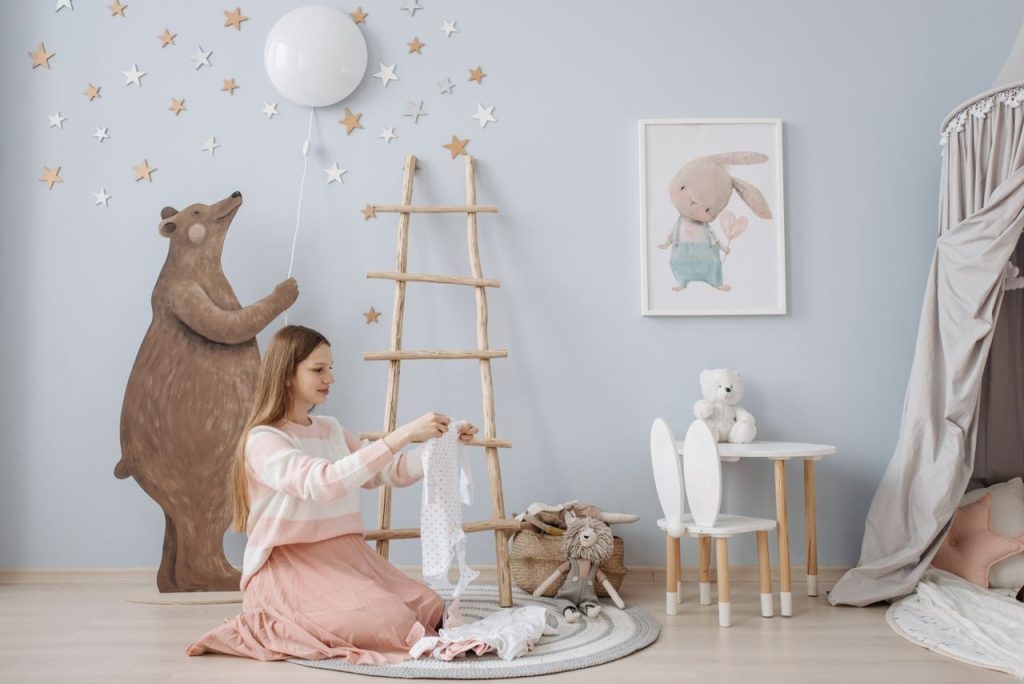
Think about the container as well as its contents. Bags, cords and loose small components can introduce hazards even when the toys themselves are suitable. Use an appropriate arrangement and consider what the child can reach. Adult-only items should remain separate. A neat basket in a photograph is not evidence that the setup works for your child or that the container can safely become part of the play rather than simply hold the items before use.

Label storage in a way adults can maintain. A simple picture or word may help the household return items to the correct place, but it is not necessary to turn tidying into a child assessment. The adult remains responsible for checking unsuitable access. If the system requires a complicated sorting method that only one person knows, simplify it. The best arrangement is one that still makes sense when you are tired and someone else needs to take over a routine task.
Rotate in response to use
Watch what the child chooses and what repeatedly gets in the way. You can put some appropriate items aside and offer others later, while keeping favourites available if they remain useful. There is no need to create scarcity or remove a familiar book to force new learning. A rotation should make the space manageable, not control the child's interests or make adults anxious about whether the selection is producing enough visible progress each week.
Keep any change modest. A book in a new accessible spot or fewer competing objects may be enough. You can describe and join the activity without presenting every item as an educational intervention. NHS play ideas offer ordinary opportunities to interact, but an organiser or toy collection does not guarantee a developmental outcome. If a particular concern persists, use concrete observations in a professional conversation rather than treating a purchase or rotation schedule as the solution.
Connect tidying with adult responsibilities
At the end of play, check for damage and separate items that need appropriate care. Follow manufacturer cleaning instructions instead of using one method for every material. Replenishing the play area should not include unapproved repairs or accessories. If a warning may affect a product, identify the exact model and consult the original information. A toy remains uncertain even if you can place it neatly in the right category and make the room appear complete again.
When another carer helps, explain the current selection and storage plan. Keep the handover short and practical. They do not need a report on every interaction, but they should know where unsuitable items belong and what question remains unresolved. Avoid leaving a concern hidden in a written list that nobody has acknowledged. Organisation works when it improves shared understanding, not merely when one adult has created an impressive system that everybody else quietly bypasses because it is difficult to follow.
Review whether the rotation helps
Ask what changed in ordinary life. Is it easier to find a suitable book, clear the floor or notice a damaged component? Those are practical outcomes. You do not need to prove that the child plays longer, learns faster or behaves differently. A system can be useful to adults without becoming a treatment or developmental programme. If maintaining it adds stress and constant decisions, reduce its scope rather than assuming you need to become more disciplined or buy matching storage to make it work.
A small play rotation should leave more room for actual interaction. Keep the materials suitable, the storage understandable and the schedule flexible. It can be as simple as a manageable selection and a separate place for the rest. There is no universal collection every family must own. The aim is clearer access and less household friction, while preserving child interest and responsible supervision rather than making play another area where everybody is expected to follow an elaborate ideal.