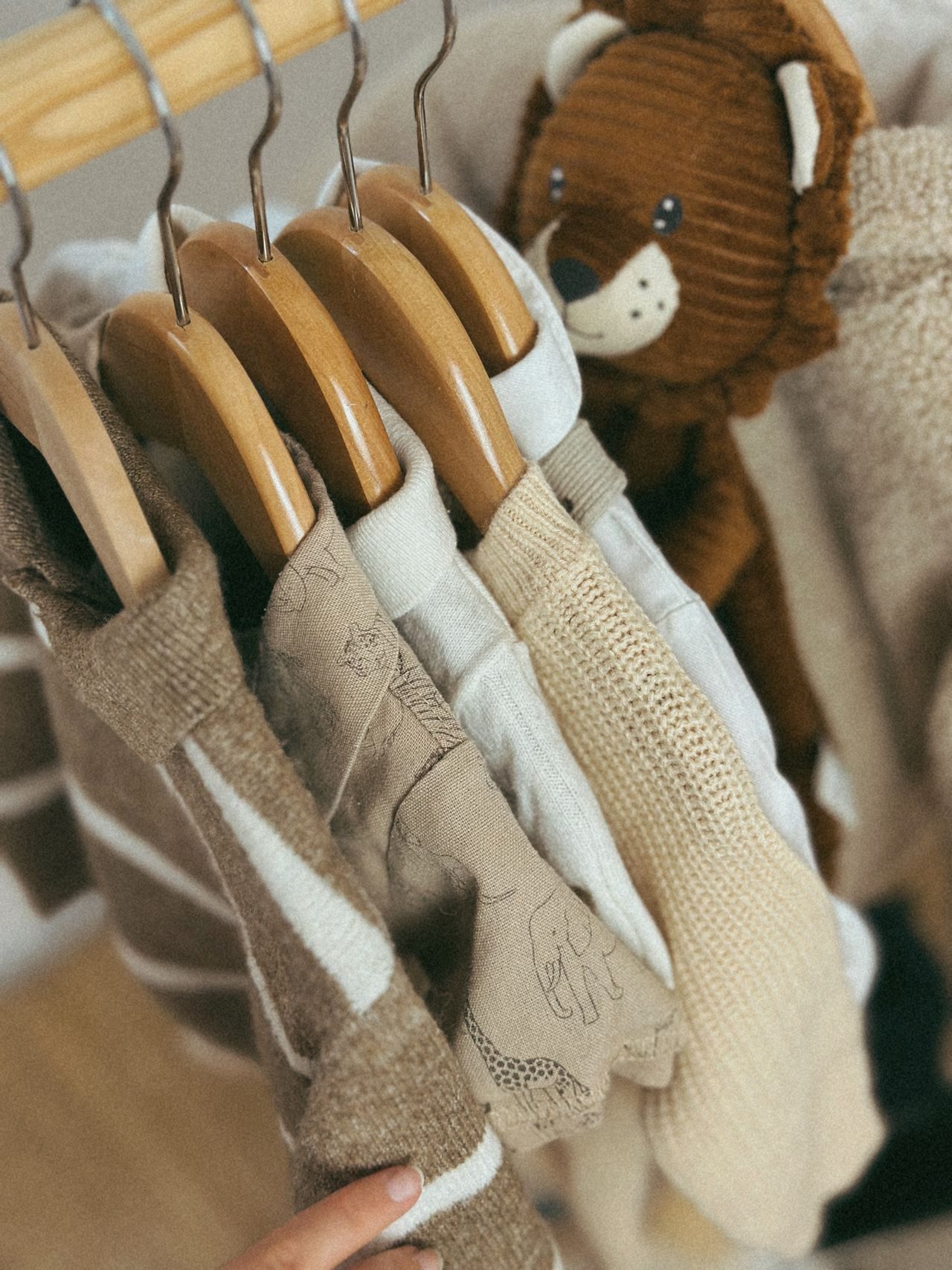
Start with tasks rather than products
A care supply list can grow quickly when every advertisement introduces a new problem and a product that supposedly solves it. Begin with the tasks your family actually manages: changing, feeding, cleaning, outings and safe rest. What is already working, and where is there a genuine gap? Naming the task helps separate an everyday need from the feeling that a complete collection is required before you can care for a child confidently.
You do not need to replace familiar supplies simply because a new version looks more specialised. Read the intended use and compare it with your situation. Some products have a limited practical role, while others may be unnecessary. Compare the exact options against your child’s needs, the product instructions and the practical arrangements at home. It can help organise a decision without presenting spending as a measure of care or a guarantee of easier family life.
Build a small inventory you can maintain
Group supplies by task and identify what needs replenishing, checking or clarification. A short list should distinguish items you own from products you are considering. Do not count a borrowed object as available indefinitely without agreeing with its owner. If equipment is involved, keep its model and instructions identifiable. A container full of accessories may look useful while leaving you uncertain which parts belong together and which combinations the manufacturer actually supports.

Include storage as part of the decision. An item needs an appropriate place where responsible adults can find it without exposing the child to hazards. Medicines, cleaning materials and small objects should not be mixed into a convenient open basket. If another carer helps, show the arrangement rather than assuming the category names are obvious. A modest system everybody understands can be more useful than a complex one maintained only in the organiser's memory and easily disrupted during a busy day.
Check the information behind a promise
Ask what a product does, who it is intended for and what the instructions require. A medical or developmental claim needs more than a review. Do not assume that a sleep accessory prevents harm, a feeding item treats a concern or a toy guarantees progress. If the issue is about the child's health, seek qualified advice. Equipment shopping should not replace an individual conversation merely because buying something feels faster and offers a clear action while the situation remains uncertain.
Also examine practical conditions such as cleaning, replacement parts and actual provider terms. Check the actual return period and trial conditions, including any costs that remain payable. Compare the full setup, not just a headline price that omits needed components. If you do not have verified prices, leave the amount open rather than present an old listing as current. The list should make uncertainty easier to see, not hide it behind a total calculated from guessed or incomplete information.

Prioritise without turning every choice into a judgement
You can distinguish needed now, possibly useful later and not currently necessary. Those categories describe timing and purpose, not good and bad parenting. A family with limited space or support may make different choices from one with different circumstances. If a purchase is shared, agree who pays and what the item includes. Do not assume another adult will cover a difference just because they offered advice or expressed enthusiasm when you first discussed a possible solution.
Consider whether the problem needs a product at all. A clearer handover, a simpler route or a different storage location may help more. You may also need professional guidance rather than an accessory. Keep these options alongside shopping. A comparison that ends with no purchase can be useful. It has identified that the proposed item does not answer the actual question, or that important information must be checked before adding another object to the care routine and the household's limited space.
Review after real use
Notice which supplies you reach for and where the arrangement becomes awkward. Keep the observation specific. You do not need to call yourself disorganised because a system did not fit the day. Replenish what is necessary and change placement when appropriate. If equipment's condition or instructions raise a concern, ask the manufacturer rather than improvising a repair or treating a fresh wash as proof that the item remains suitable, complete and correctly configured for the child who will use it.
A useful supply list remains small enough to explain and flexible enough to change. It supports actual tasks, preserves instructions and limits unnecessary purchases. It is not a certification that every possible situation has been anticipated. Keep the child's needs and responsible adult attention central. Products can assist, but no collection can remove uncertainty, replace appropriate professional advice or make every day predictable. The purpose of organisation is to help care happen, not make care depend on owning every marketed solution.