

Household setups for infant and toddler care benefit from occasional checks that match changing daily patterns. Over the first three years, items move in and out of regular use, and spaces that once worked well can start to create extra steps or clutter. A short review every few months helps keep supplies reachable without turning every room into a dedicated nursery area.
These checks focus on function rather than complete overhauls. They take into account how often each item is needed, where it is stored, and whether the current layout still supports shared care between caregivers. The goal is steady access during routine tasks while keeping surfaces clear for other household activities.
Identifying Items That Have Shifted in Frequency
Start by listing supplies used in the past week and noting how often each one was reached. Items that once sat on open shelves may now stay in drawers because a child no longer needs them daily. Conversely, new items such as larger cups or simple stacking toys may need quicker access as the child begins to move independently.
Separate the list into daily, weekly and occasional categories. This simple division reveals which containers or shelves are worth keeping near the main activity area and which can move to less central storage. The process takes only a few minutes and prevents repeated searching during busy periods.
Checking Pathways Between Storage and Use Areas
Walk through the usual routes from storage spots to changing areas, feeding spots and play zones. Note any obstacles that have appeared since the last review, such as relocated furniture or accumulated household objects. Clear, direct paths reduce the time spent carrying items and lower the chance of tripping when hands are full.
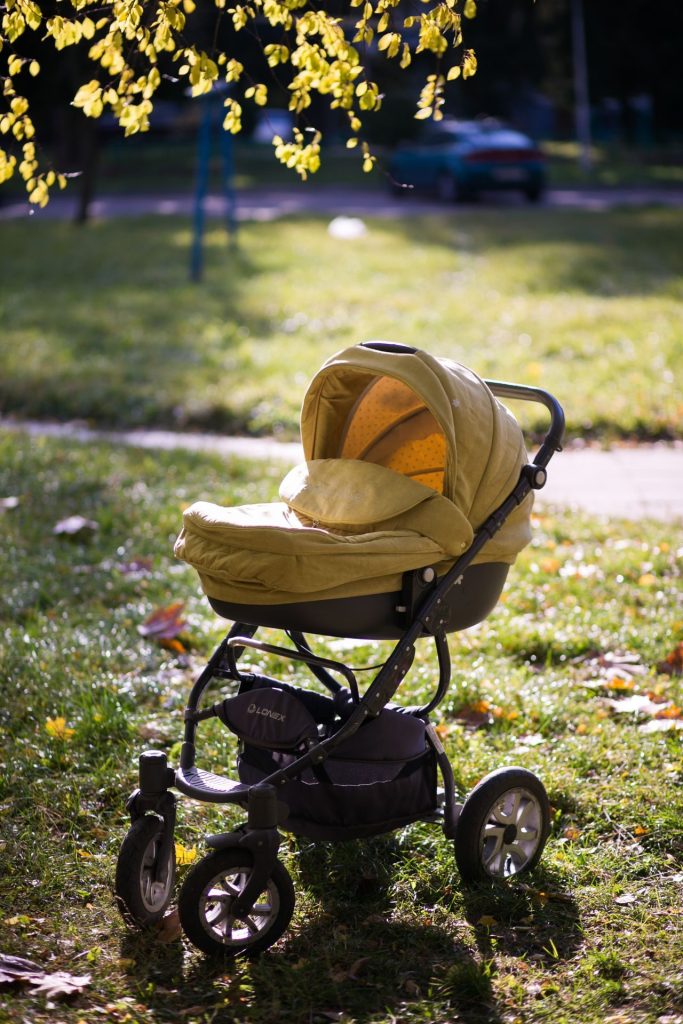
Pay particular attention to doorways and narrow passages that may now accommodate a pushchair or larger toy box. If a route has become awkward, consider swapping the location of one or two containers rather than rearranging the entire room. Small adjustments often restore smooth movement without major disruption.
Adjusting Heights and Reach for Different Caregivers
Storage that suited one caregiver may no longer suit another when responsibilities are shared. Shelves or hooks placed at a single height can create unnecessary stretching or bending for some adults. During a review, test whether frequently used items remain comfortable for everyone involved in daily care.
Where possible, place the most common supplies between waist and shoulder height for the shortest caregiver. Less frequent items can occupy higher or lower positions. This arrangement supports quicker handovers and reduces the physical effort required during repeated tasks.
Rotating Items Between Rooms as Needs Change
Some supplies move between rooms naturally as the child grows. For example, a portable changing mat may shift from the main bedroom to a downstairs space once daytime routines settle there. A review provides the chance to formalise these moves rather than leaving items in temporary spots that later become permanent clutter.
Label or colour-code containers so that any caregiver can return items to the correct location after use. Simple visual cues help maintain the system without lengthy explanations during handovers. Over time the rotation becomes part of the household rhythm rather than an extra task.

Clearing Surfaces That Double as Sleep or Play Zones
Surfaces used for play or feeding during the day must return to a clear state if they also serve as sleep areas at night. During each review, confirm that no loose items remain on these surfaces once the child is settled. A quick scan at the end of the day prevents small objects from accumulating in sleep spaces.
Keep a single designated basket or tray for items that belong elsewhere. At the close of each session, place stray objects in the basket and relocate them later. This habit keeps the surface itself free of distractions while still allowing flexible use of the room.
Documenting Simple Changes for Future Reference
After each review, note the main adjustments made and the date. A brief list on paper or in a shared note keeps the household aware of current arrangements without relying on memory alone. Over several months the notes reveal patterns, such as which items consistently move location or which storage spots repeatedly become overcrowded.
The record does not need to be detailed. A short line stating “moved spare clothes to hallway cupboard” or “raised hook for carrier” is enough. Future reviews can then start from the previous state rather than beginning from scratch each time.
Keeping Reviews Short and Repeatable
Set a recurring reminder every three to four months rather than waiting for clutter to become noticeable. The task itself should last no longer than twenty minutes. Focus on one room or one category of items per session to avoid turning the process into a large project.
When the review becomes part of the household calendar, adjustments stay small and manageable. Caregivers can then concentrate on daily care rather than repeated searches or rearrangements. Over the first three years these periodic checks support steady routines while allowing the home to serve multiple purposes.