Handing over care information each day can slip into rushed lists or missing details, especially when several adults share the load for a baby or toddler. Small oversights in what gets written down or shown can affect feeding times, sleep routines and nappy changes across the day. A short written note helps maintain consistency without requiring lengthy verbal explanations at every transition point in the household schedule.
Clear notes reduce repeated questions and help everyone follow the same approach without needing long conversations at every switch-over. The focus stays on practical items that fit into ordinary household rhythms rather than extra systems. Parents and carers often find that adjusting the note format over time makes it quicker to complete while still covering the essentials for infants and toddlers under three.
Deciding what belongs on the note
Start with the current day’s pattern rather than long-term plans. Record the time of the last feed, the amount offered and any signs of hunger or fullness the baby showed. Add the time of the most recent nappy change and whether it was wet or soiled, so the next person knows when to check again. For babies under six months the emphasis remains on milk feeds, while after that age a brief mention of any solid food offered helps the incoming carer decide on the next meal timing. The note should stay limited to observable facts from the preceding hours rather than predictions about future behaviour, which keeps the information reliable across different care arrangements.
Keep sleep details limited to the last wake-up time and the surface used, following the rule of a firm, flat, clear space with the baby placed on their back. Note any recent room checks that removed loose items from around the sleep area. Toddlers between one and three years may have different wake patterns, so including the actual time they settled rather than an estimate allows the next carer to judge whether additional quiet time is needed. Common errors include writing general statements such as “slept well” without times or surface details, which leaves the incoming person without enough context to replicate the same conditions later in the day.
Timing the handover
Choose a moment when both adults can stand together for two or three minutes rather than shouting across a room. Run through the note line by line so the incoming person can ask about anything unclear before the other leaves. This works best when the handover occurs at a natural break in the day, such as after a feed or before an outing, rather than during peak activity periods when attention is divided. For households with multiple carers the same brief overlap time can be scheduled daily so that everyone expects the short discussion and prepares accordingly.

Place the note in the same spot each time, such as on the kitchen table or inside the changing bag, so no one has to search for it during a busy period. The location should remain consistent even when the baby moves between rooms, which prevents delays when an unexpected situation arises. A frequent mistake is leaving the note in a pocket or on a device that the outgoing carer takes away, forcing the next person to reconstruct events from memory. Keeping a small pad or printed template in a fixed drawer makes the process repeatable and reduces reliance on individual memory for infants who require regular monitoring throughout the day.
Common gaps in feeding information
One frequent mistake is noting only the time without the type of feed or how much was taken. Another is forgetting to mention any new food textures tried that day, which matters when solids have started. A short column for “next expected feed window” helps the next carer judge when to offer milk or food again. For babies under one year the note might record whether the feed was breast or bottle and any observable cues the infant gave, while for toddlers the focus shifts to portion size and any refusals that could affect later appetite. This level of detail supports continuity without turning the note into a full diary entry.
Include any signs the baby gave that they wanted more or less, without turning the note into a full diary. This keeps the information usable in under a minute to read. Errors often occur when carers assume the next person will remember preferences from previous days, yet daily variations in appetite or routine mean fresh details are required each time. When solids are introduced around six months the note should also record any new items offered and the baby’s response, allowing the incoming carer to continue the same cautious approach rather than repeating an earlier texture that caused discomfort. The note therefore functions as a snapshot rather than a permanent record of feeding habits.
Recording sleep and wake patterns
Errors often appear when the note mentions only total hours slept instead of the actual times and the surface used. The incoming carer needs to know whether the baby last slept in the dedicated sleep space or elsewhere, so they can return to the same setup. For newborns and young infants the emphasis stays on confirming the surface remained clear and the baby was placed on their back, while older toddlers may have brief naps in different locations that still require noting to avoid accidental overlap with play areas. Adding the room state at the end of the last sleep, such as whether curtains were drawn or any routine checks completed, prevents later additions that could enter the sleep area during household tasks.
Add a quick line about the room state at the end of the last sleep, such as “curtains drawn, no extra blankets added”. This prevents accidental additions that could enter the sleep area during later household tasks. Common mistakes include omitting the exact wake time, which makes it difficult for the next carer to calculate an appropriate interval before the following sleep period. When the baby is between one and two years and beginning to resist daytime naps the note can record the actual settling time rather than an expected duration, giving the incoming person flexibility to adjust the environment without assuming a fixed schedule. The record therefore supports safer sleep practices by focusing on verifiable details rather than summaries.
Passing on play and movement details
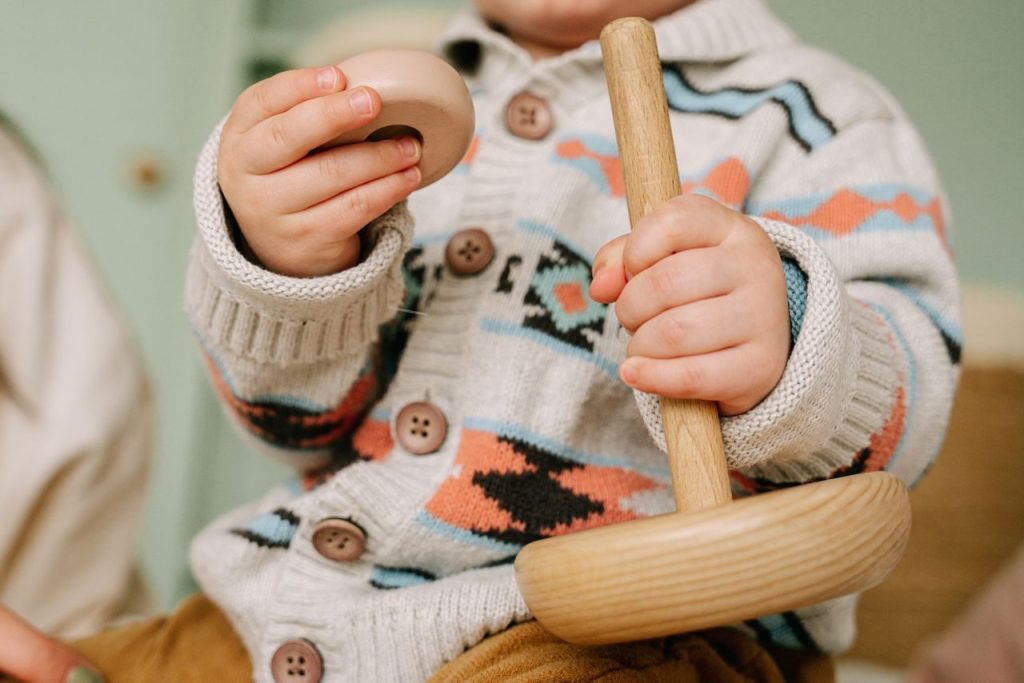
Brief notes on recent play help maintain continuity without requiring a full activity plan. Mention one or two familiar household items the baby used that morning and any position changes observed, such as rolling from back to side. For infants under six months this might cover time spent on a play mat or reaching for objects, while toddlers between one and three years benefit from notes on simple stacking or sorting activities that can be repeated later. The goal is to give the next carer enough context to offer similar items if the baby wakes unsettled, rather than listing every toy touched during the previous hours.
Avoid listing every toy touched; instead record whether the baby showed interest in reaching or grasping so the next person can offer similar objects if the baby wakes unsettled. This approach works across different developmental stages because it focuses on observable actions instead of assumed skill levels. A frequent error is writing vague phrases such as “played happily” without specifying the objects or movements, which leaves the incoming carer without guidance on how to re-engage the child later. When the baby is starting to move around the room the note can include a quick check that the immediate floor area remained clear of small items, supporting the next carer in maintaining the same safe space without additional searching.
Checking the note before the next person starts
Read the note aloud once to confirm every item matches what actually happened. Cross out anything that no longer applies, such as a planned outing that was cancelled by weather. This final review takes less than a minute yet catches omissions that might otherwise surface only after the outgoing carer has left. For households where care passes between parents and other adults the same quick check can be performed at each transition, ensuring the note remains accurate even when routines shift unexpectedly during the day.
Store any related items, like the clean bottle or spare clothes, in the same place as the note so the handover does not require extra searching. The practice reduces the chance that essential supplies are misplaced when the baby needs them soon after the changeover. Common mistakes include relying on verbal reminders alone, which can be forgotten during a busy exit. Placing the note and supplies together creates a single reference point that works whether the handover occurs at home or before a short visit elsewhere. The method remains useful as the child grows from infant to toddler because the same location can hold updated notes on emerging preferences without requiring a new system each time.
Reviewing the system after a week
After several days, look at which parts of the note were used most often and which were skipped. Shorten sections that repeat the same information every day and expand any area where questions still arose. For example, if feeding times remain consistent the note can drop the “next expected window” line and keep only the most recent details, while sleep surface checks may need more space if the baby is transitioning between rooms. This weekly adjustment keeps the note aligned with the child’s current stage rather than retaining entries that no longer add value.
Adjust the layout so the most urgent items sit at the top, such as current sleep surface status and the next expected feed time. This keeps the note practical as the baby’s routines shift with age. A typical error is continuing an unchanged format long after the child’s needs have changed, which can make the note longer than necessary and harder to complete quickly. Reviewing the note together once a week allows both carers to agree on what to retain or remove, supporting consistent care without adding extra steps to the daily routine. The process works equally well for infants and toddlers because it relies on actual usage rather than fixed templates.