Households with children under three often accumulate a wide range of care items. Grouping these supplies according to how often they are actually used helps keep daily tasks straightforward and reduces the time spent searching for things.
Begin by listing every item that enters the daily care cycle. Separate the list into three clear categories: items reached for several times each day, items needed a few times each week, and items used only now and then. This simple division forms the basis of a workable storage plan that can be adjusted as the child grows.
Identifying items used several times each day
Start with the supplies that appear in the first hours after waking. Clean clothes, basic toiletries for nappy changes and a small stock of feeding equipment usually fall into this group. Place these in a single, low cupboard or on a shelf at waist height so both caregivers can reach them without bending or stretching over the child.
Check the location against the main routes through the home. If the cupboard sits on the way between the kitchen and the living area, retrieval takes less time. Avoid placing daily items inside locked cabinets; repeated unlocking adds friction to routines that already involve supervision.
Review the daily category every month. An item that was needed often at six months may drop in frequency by twelve months, freeing shelf space for something else.
Grouping supplies needed a few times each week
Bath products, spare bedding and certain play materials typically belong here. These can sit in a slightly higher cupboard or in a labelled box on a higher shelf. Clear labelling helps both regular and occasional caregivers locate them quickly during handovers.
Keep the weekly box away from the main daily flow so it does not create visual clutter. A single plastic crate with a lid keeps dust off and allows the whole group to be moved if floor space is needed for play.
Write the date on the lid when the box is restocked. This makes it easy to spot when an item has not been touched for several weeks and may belong in the occasional category instead.
Storing occasional-use items safely
Seasonal clothing, larger pieces of equipment and backup supplies fit the occasional group. These belong in the least accessible but still dry and secure storage. Use the top of a wardrobe or a dedicated plastic trunk in a spare room.
Before placing anything in occasional storage, check the manufacturer instructions for any temperature or humidity limits. Record the model number and storage date on a small card taped to the outside of the container.
Once a quarter, open the occasional trunk and check that seals remain intact and that no items have been damaged by being stacked. This quick check prevents surprises when an item is finally needed again.
Allowing shared access without extra steps
When two or more adults share care, the daily category must be reachable by everyone without extra explanations. A simple diagram taped inside the cupboard door can show the agreed order of items. The diagram uses pictures rather than words so it remains useful even when a new person joins the household.
Weekly and occasional items can stay behind one agreed boundary, such as a particular shelf height. This boundary keeps the most-used items visible while still protecting less frequent supplies from being moved accidentally.
Adjusting categories as the child grows
Between the first and third birthday, the frequency of many items changes. Clothes that once required daily changes may move to weekly use. Feeding equipment may shift from daily to occasional once mealtimes become more independent.
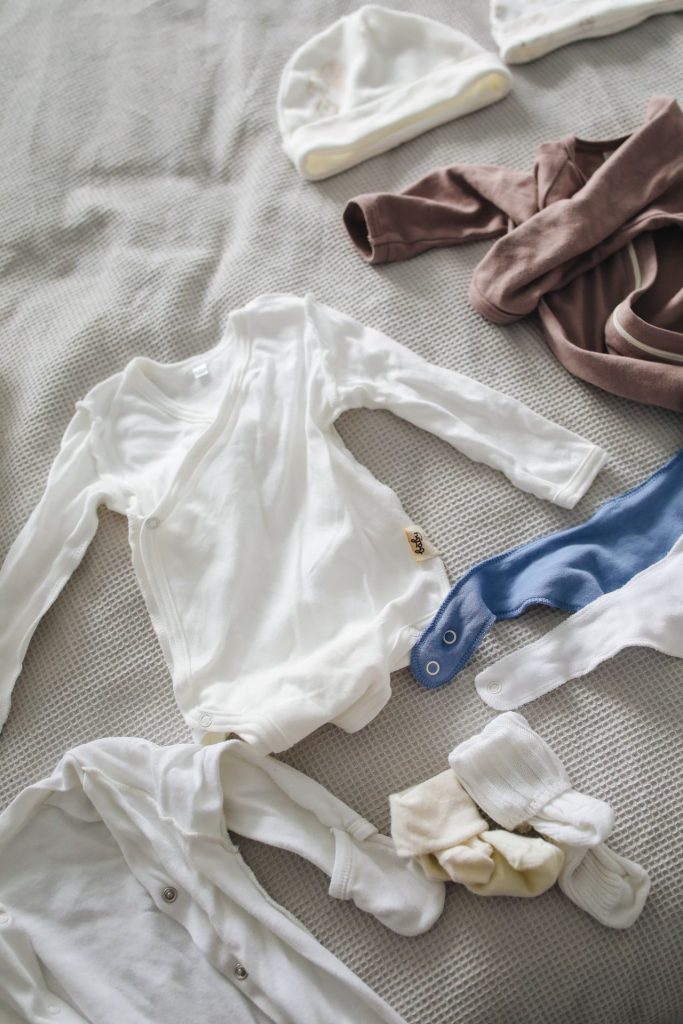
Set a recurring calendar reminder every three months to re-sort the three categories. Move items up or down the list rather than buying new storage; the same shelves and boxes continue to serve.
Keep the re-sorting session short. One caregiver can handle the physical move while the other watches the child, so the task does not require both adults at the same time.
Keeping the system visible but not intrusive
A single wall chart near the daily cupboard lists the current three categories and the date of the last review. The chart stays small and is updated only when categories change. This prevents the need for lengthy verbal handovers between caregivers.
If space is tight, the chart can be a postcard-sized note inside the cupboard rather than on open display. The important point is that the information remains in one fixed place so it does not rely on memory alone.
Reviewing the arrangement over several months
After three or four review cycles, patterns emerge about which items truly belong in each category for that particular household. Some families find that certain seasonal items move between weekly and occasional depending on the weather. Others discover that a particular piece of equipment is used more often than first expected.
These observations stay within the household and do not require external benchmarks. The goal remains practical: fewer minutes spent locating supplies and more time available for direct care.
Once the categories feel stable, the same three-box method can be applied to other areas such as clothing or documentation, using the same frequency principle without adding new systems.