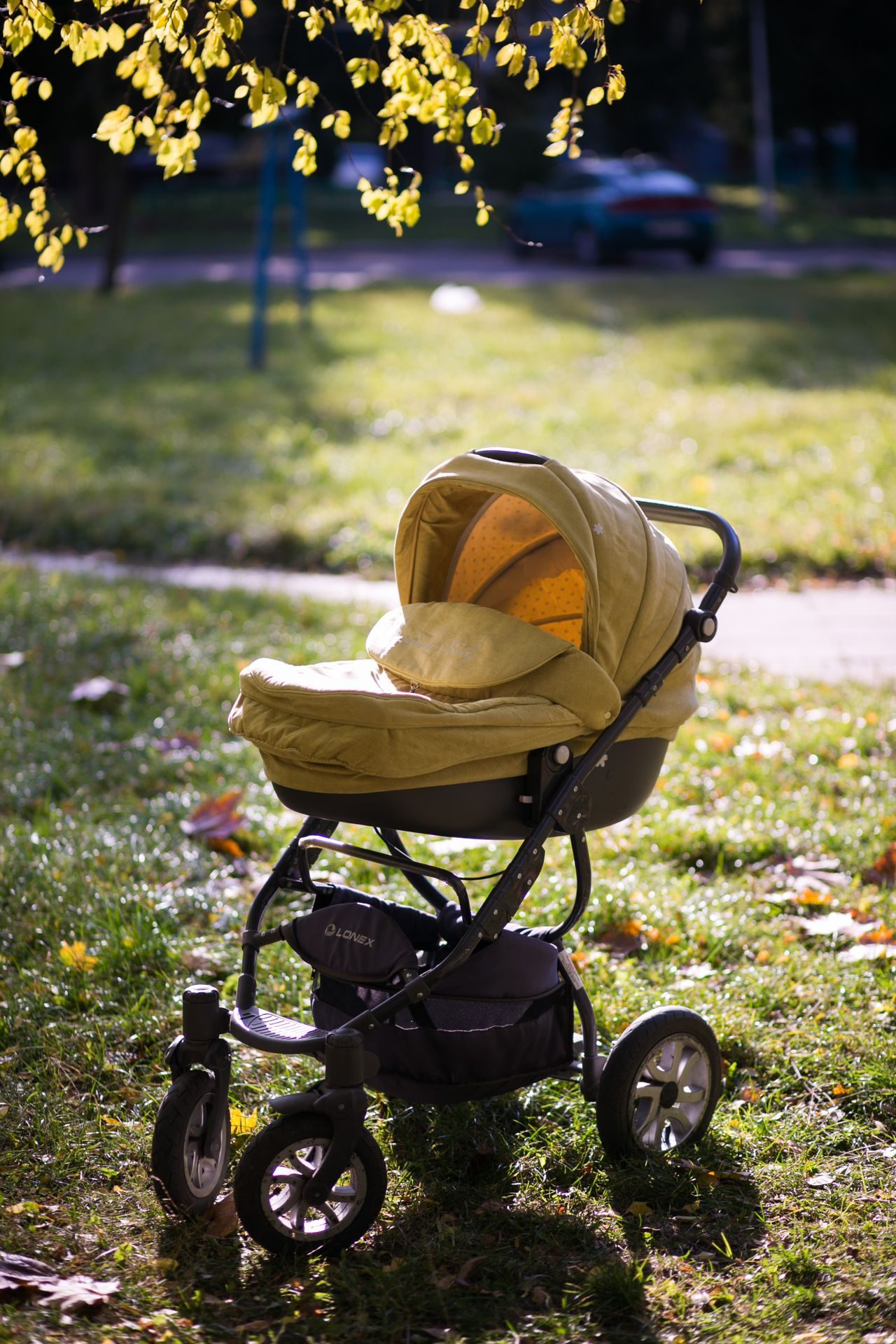
Preparing a pushchair for an outing requires attention to how items are arranged so that temperature changes can be managed without halting progress. Babies and toddlers from birth to three years need layers or covers reached quickly when conditions shift. Storage choices influence balance once the child sits in place and affect how the frame moves over different surfaces. Many arrangements place items without first checking how added weight alters steering or tipping risk on slight inclines.
Small adjustments to order and placement reduce the need to stop and search through contents. Checking the loaded pushchair on level ground before departure shows whether the frame remains steady. The approach applies to short local routes where weather can vary within minutes. Focus remains on keeping essentials accessible while respecting manufacturer weight limits for the basket and any attached pockets.
Weight distribution in the basket
Placing heavier items toward the front or sides of the basket often causes the pushchair to tilt forward once the child is seated. Manufacturers publish basket weight limits that account for normal use, and exceeding them changes how the front wheels track on slopes or uneven paving. Sorting contents by frequency of use places daily layers or wipes near the top edge for one-handed retrieval without bending. Testing the loaded frame on a flat surface before leaving reveals any forward lean that requires repositioning. Toddlers who shift in the seat add further movement, so loose items benefit from internal straps or small pouches that prevent sliding. Common errors include loading all bulk at the rear without checking the resulting centre of gravity, which can make steering heavier on longer stretches. The method works when routes include kerbs or gentle hills; on completely flat paths the same distribution still prevents items from shifting during turns. Judgment relies on observing whether the handle remains level under normal push, and adjustment follows immediately if tilt appears. This check applies equally to infants who remain reclined and to toddlers who sit upright, provided the basket load stays within stated limits.
Repeated short trips allow refinement of the packing sequence so that the same order serves different weather needs. For babies under six months the load often includes an extra cardigan that fits over existing clothing, while toddlers between one and three may require spare socks stored higher for quick access. The boundary condition is any noticeable change in steering effort; if the pushchair pulls to one side after loading, items must be redistributed before departure. This practice avoids the error of assuming even weight will remain even once motion begins.
Layer choices for changing conditions
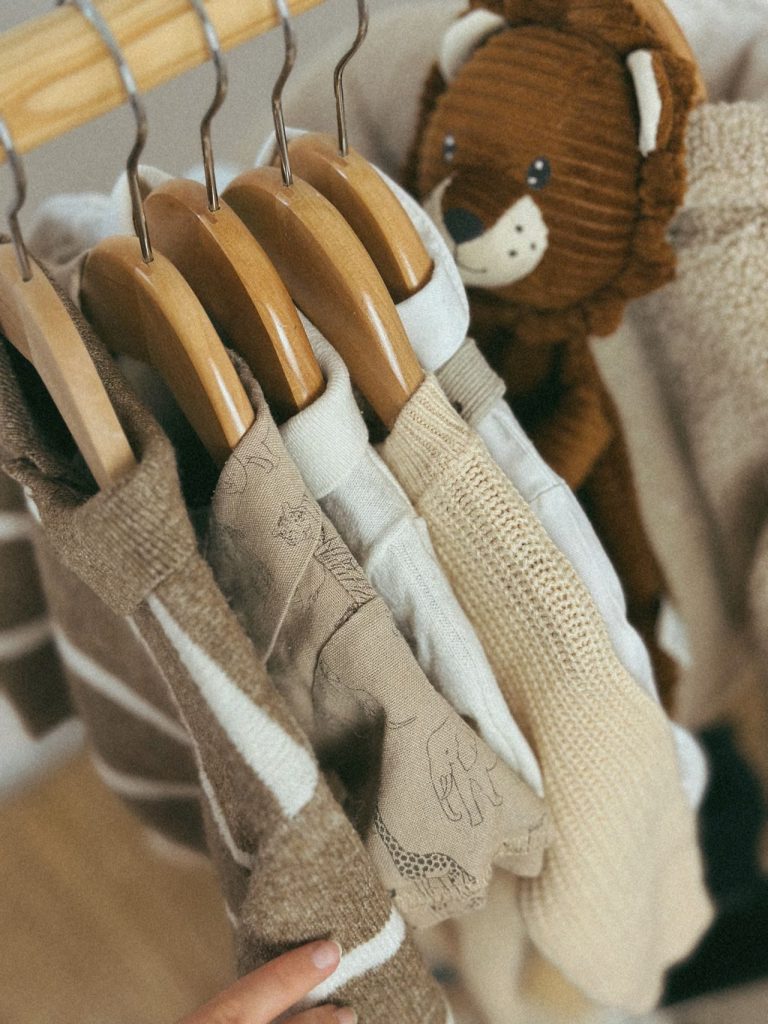
Selecting one thick blanket instead of thinner separate layers limits the ability to add or remove cover as temperature rises or falls during the outing. Thin cotton and a lightweight waterproof cover pack more compactly and permit incremental adjustments without disturbing the child. For infants under six months an additional fleece that fits over the sleep suit avoids bulk inside the harness straps. Toddlers between one and three frequently remove hats or socks mid-outing, so spares kept in a side pocket rather than the basket base remain reachable without unpacking other contents. The choice of layers depends on the expected range of conditions rather than a single forecast; a route that starts in shade may later cross open pavement. Common errors include packing only heavy items that cannot be partially removed when the child becomes warm, leading to unnecessary stops. Testing the layers at home on a similar temperature swing confirms which combinations allow quick changes while the child stays secured. This approach applies when outings last longer than thirty minutes and weather forecasts indicate variability; on very short trips the same principle still prevents over-layering that restricts movement.
Judgment of suitability rests on observing whether the child shows signs of overheating or cooling within the first ten minutes of the route. If either occurs, the next packing includes an intermediate layer that can be added or removed without full undressing. The method respects manufacturer guidance on clothing fit around harness points and avoids any item that could slip into the sleep area during naps on the move.
Access points for nappies and wipes
Storing the main nappy bag deep in the basket requires stopping and bending for every change, which interrupts the outing when temperature shifts demand attention elsewhere. A smaller pouch clipped to the handle or hung inside the canopy keeps these items separate from bulkier clothing and reachable with one hand. This layout serves both infants needing frequent changes and toddlers who signal needs more clearly during the walk. Checking that the pouch does not obstruct canopy folding or brake operation prevents delays when sudden weather forces a stop. Refilling the pouch after each return maintains the same accessible position so the routine stays consistent across outings. Common errors include placing wipes at the very bottom under clothing, which forces full unpacking in cold or wet conditions. The arrangement works when routes pass areas without immediate shelter; on routes with frequent benches the same pouch still reduces search time. Judgment follows from timing how long retrieval takes; if it exceeds thirty seconds the position needs raising. This applies to children from birth through three years, adjusting pouch contents for the developmental stage without altering the access principle.
Periodic review after short trips shows which items actually leave the pouch and which remain unused, allowing trimming of unnecessary bulk. The method respects adult supervision requirements around any feeding or changing that occurs outdoors.
Securing items against movement
Loose bottles or containers roll toward the back of the basket on longer pavement sections, creating noise and requiring stops to retrieve them. Mesh pockets or elastic cords inside the basket hold round objects in place and prevent them from shifting under the child’s seat. For toddlers who can reach downward from the seat, any item within grasp must be checked for small parts before departure. Reviewing basket contents after every outing identifies which objects move and which stay stable, building a reliable order without extra time spent on each departure. Common errors include assuming that items placed flat will remain flat once motion and vibration begin. The practice applies when routes include cobbled or cracked surfaces; on smooth paths the same securing still reduces internal noise that can disturb a resting child. Judgment rests on listening for rolling sounds during the first few minutes; if they occur, additional restraint follows. This check covers infants who sleep during the outing and toddlers who remain awake, provided nothing enters the immediate sleep surface area.
Manufacturer instructions for any attached organisers set the limits for added weight, and these remain distinct from general descriptions of basket capacity. The method avoids placing items that could block ventilation around the child when covers are later added for weather protection.
Weather covers and their storage
A rain cover folded tightly often ends up wedged under other items, delaying deployment when rain begins. Keeping the cover in its own drawstring bag at the rear of the basket allows one-person fitting without unloading everything else. The same bag can hold a sun shade for bright intervals, keeping both covers together and identifiable. Testing the cover fit on the pushchair at home confirms it does not catch on wheels or handles during fitting. Toddlers notice changes in light and sound under a cover, so brief practice at home reduces fuss when the cover is needed outdoors. Common errors include storing the cover at the very bottom, which forces full unpacking in sudden weather. The arrangement works on routes with partial shelter; on fully exposed paths the same bag still shortens the time to protection. Judgment follows from observing how quickly the cover can be applied while the child remains seated; if it exceeds one minute the storage position changes. This applies across the age range from birth to three years, with cover size matched to the specific pushchair model.
Periodic checks of the cover fabric for wear ensure it continues to provide the intended protection without introducing new gaps. The method keeps adult oversight continuous during any adjustment made while moving.
Route length and item refresh
Longer routes increase the chance that a drink or snack will be required midway, yet placing these items at the bottom of the basket makes retrieval difficult. An insulated bottle stored upright in a dedicated holder prevents leaks onto clothing layers. For babies still on milk feeds an empty bottle and measured powder portions remain separate from ready-to-use items. Returning home with the same packing order intact makes the next outing quicker. Noting which items were actually used helps trim unnecessary bulk over repeated short trips. Common errors include overpacking for every possible need without checking prior usage patterns. The approach applies when routes exceed twenty minutes one way; on very short errands the same principle still prevents carrying unused weight. Judgment rests on observing whether the child signals thirst or hunger before the halfway point; if so, the next packing moves those items higher. This covers infants and toddlers alike, adjusting quantities according to the developmental stage without altering the storage logic.
Manufacturer guidance on any insulated containers sets temperature limits that must be followed rather than assumed. The method supports continuous supervision by keeping refresh items accessible without stopping the pushchair.
Final checks before the door
A short visual scan of the basket, handle height and brake function catches most storage oversights before departure. Confirming that no item blocks the child’s view or the caregiver’s line of sight keeps movement steady throughout the outing. Repeating this scan each time builds a habit that fits naturally into leaving routines for children of any age under three. The check includes verifying that weather covers remain reachable and that layer pouches sit in their established positions. Common errors include skipping the scan after a rushed refill, which allows shifted items to affect balance later. The practice applies to every outing regardless of length or expected conditions; on familiar routes it still prevents small oversights from becoming larger problems. Judgment follows from whether the pushchair moves evenly from the first step; any pull or rattle prompts an immediate stop to adjust. This final step respects manufacturer limits on all attached accessories and keeps the focus on practical preparation rather than additional equipment.
Consistency across repeated short outings refines the overall arrangement so that temperature shifts can be managed with minimal interruption. The method supports adult supervision by ensuring nothing interferes with continuous oversight of the child during the route.