Deciding what to take on a short outing starts with matching the kit to the length of time away and the child’s current abilities. A compact setup suits a quick neighbourhood walk or errand, while an expanded bag covers slightly longer stretches without requiring extra stops. Both approaches keep adult supervision continuous and respect manufacturer instructions for any item carried.
Parents often begin by listing daily care tasks that must continue outside the home. Nappy changes, a feed if timing requires it, and a spare layer form the core. The choice between a small structured bag and a larger tote then follows from how many of these tasks are likely to occur during the outing and how much space remains for the pushchair or carrier.
Core items that stay constant across kit sizes
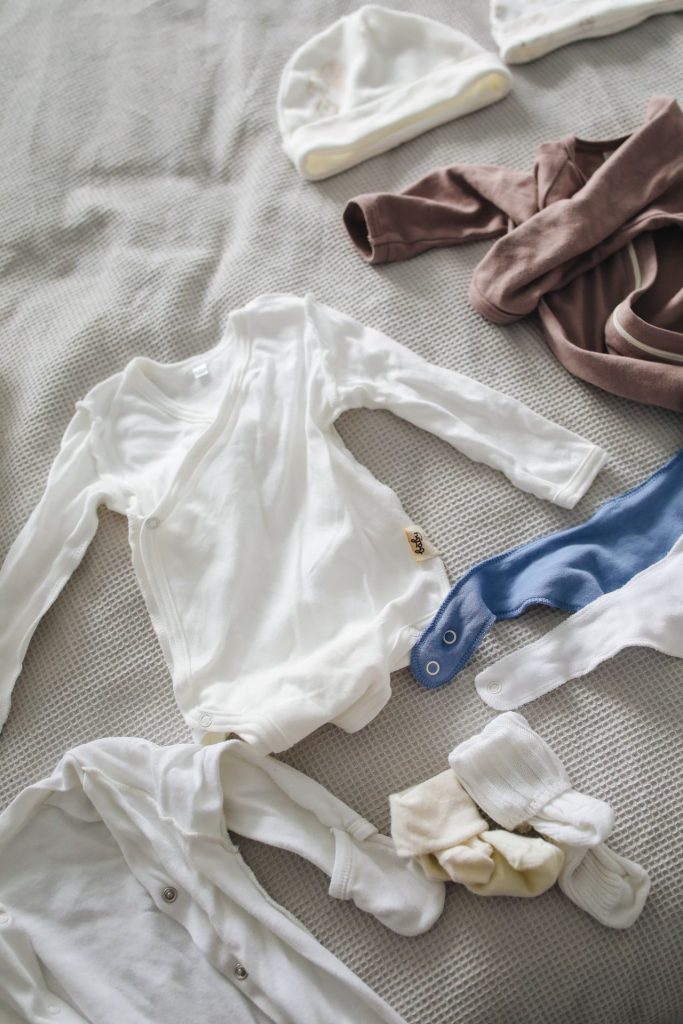
Every bag needs enough nappies and wipes for the expected duration plus one extra change. A clean change of clothes sized for the child’s current stage prevents discomfort if an accident occurs. These items remain the same whether the bag is compact or expanded; only the quantity and outer packaging differ.
Hand sanitiser and a small rubbish bag keep hygiene straightforward after each task. A lightweight mat provides a clean surface for changes in public settings. All of these fit in either bag style and support focused supervision without adding bulk that interferes with pushing or carrying.
Space and access differences between bag styles
A compact bag limits total volume, which encourages a strict review of every item before leaving. External pockets or a simple divider let the caregiver reach wipes or a spare top without unpacking everything. This layout works well when the outing is under an hour and the child is still in early sitting stages, where quick nappy changes are the main interruption.
An expanded bag offers separate compartments for feeding supplies or extra layers. Internal organisation becomes more important to avoid digging while holding a child. Many parents keep the most frequently used items in the same pocket every time so that access stays predictable even when the overall load grows.
Adjusting quantity for developmental stage
Younger babies who feed more often may need an extra top-up feed prepared according to manufacturer guidance for the bottle or container used. Toddlers who have begun walking need slightly different spare clothing that allows movement, yet the total number of items does not rise dramatically for short trips. The bag size decision therefore rests more on how many layers or comfort items the caregiver prefers to carry than on strict age brackets.
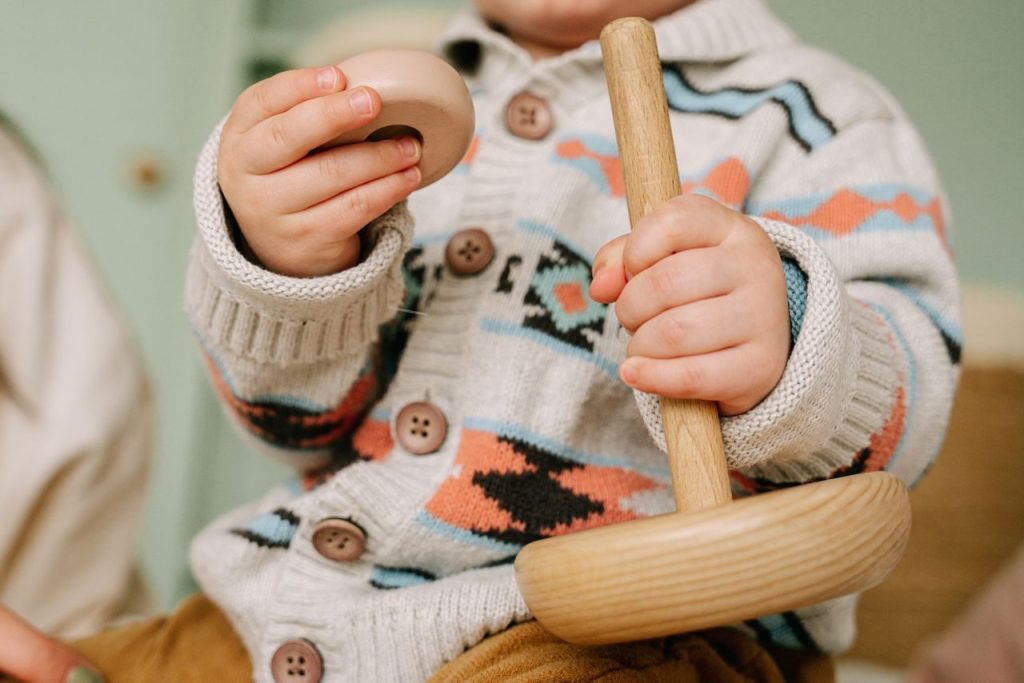
Once a child starts to reach and grasp, small toys or household objects that have already been checked for safety can occupy a dedicated pocket. These replace dedicated activity products for brief moments of engagement and keep the kit from expanding unnecessarily.
Weather and route considerations that affect packing
Before leaving, a quick check of expected conditions determines whether an extra layer or rain cover belongs in the bag. Short outings on familiar pavements usually require less contingency clothing than routes with variable shade or wind. The compact kit encourages this review because space is limited; the expanded bag can absorb an additional item without forcing a complete reorganisation.
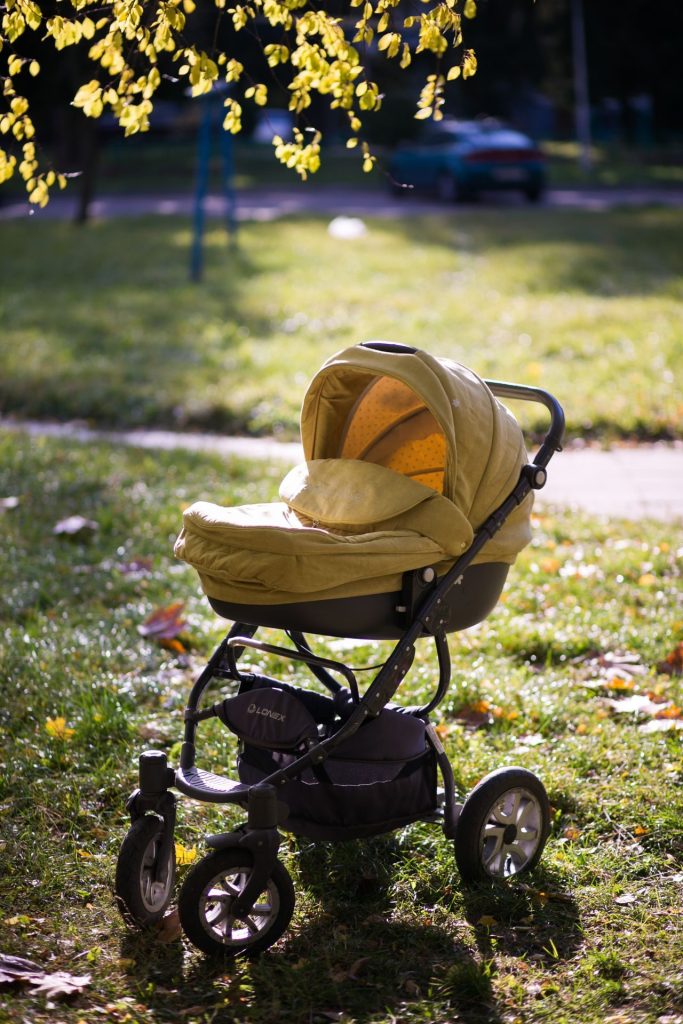
Route length also influences the decision. A loop that returns home within thirty minutes rarely needs feeding equipment beyond what fits in an outside pocket. Longer loops where timing might slip benefit from the extra compartment space of a larger bag, provided the overall weight remains manageable for the chosen pushchair or carrier.
Supervision and safety during changes away from home
Any change that occurs outside the home requires the same continuous adult attention as at home. A portable mat placed on a stable surface keeps both hands free for the task. The bag itself should stand upright or hang securely so that items do not spill when the caregiver is occupied with the child.
Public facilities vary, so a compact kit that contains only the essentials reduces the chance of leaving something behind. An expanded kit benefits from a simple contents list kept inside the main compartment to support quick visual checks before departure and again on return.
Returning the bag to a ready state after each outing
After coming home, restocking follows the same logic used when packing. Replace exactly what was used and note any item that ran low. This habit keeps both kit sizes functional without repeated full repacking. For families who share care, a brief note of what remains in the bag can be left in a consistent location so the next adult knows the current status without opening every compartment.
Over time, the preferred bag style may shift as the child’s mobility increases or as typical outing patterns change. Reviewing the contents every few months against actual use prevents both under- and over-packing while maintaining the focus on straightforward supervision during time spent out and about.